


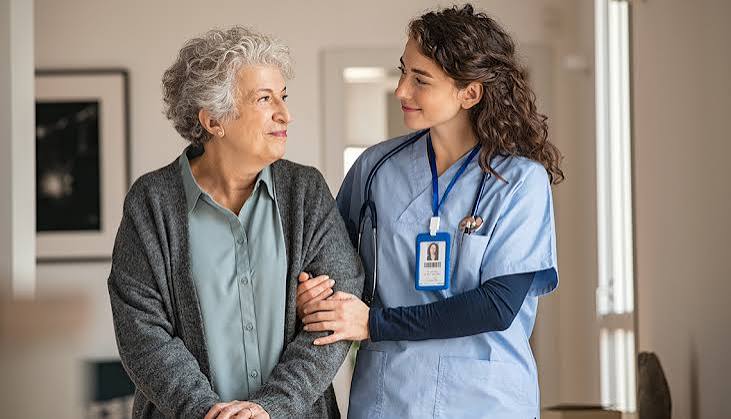
When a family member faces a serious medical diagnosis, a sudden orthopedic injury, or the progressive challenges of aging, the physical and emotional demands of caregiving can quickly overwhelm a household. Moving a loved one from the hospital—or from their private home—into a structured clinical environment is one of the most profound and emotionally complex decisions a family will ever make. You want absolute assurance that your loved one will receive world-class medical attention without sacrificing their dignity, comfort, or individuality. By choosing an accredited, modern nursing care facility, you bridge the gap between high-acuity hospital care and the warmth of a residential home, ensuring that your loved one’s physical, emotional, and social needs are met by a compassionate team of experts.
The landscape of senior care has evolved drastically. Today’s industry leaders—such as Oakmont Guest Care Center—have replaced sterile, institutional settings with vibrant, hospitality-driven environments where residents are treated like honored guests. Whether your family member requires a short-term rehabilitative stay following a surgery or permanent skilled nursing for a chronic condition, understanding the core pillars of a top-tier center will empower you to make an informed, confident decision.
1. Elevating the Standard: The Scope of Modern Skilled Nursing
At its core, a premier care center is defined by its clinical capabilities. While assisted living communities provide excellent social support and minor assistance, a skilled nursing environment is engineered to handle complex, specialized medical needs that require the continuous expertise of licensed professionals.
Continuous 24/7 Medical Oversight
The foundational strength of a high-quality care community lies in its relentless clinical vigilance. Registered Nurses (RNs), Licensed Vocational Nurses (LVNs), and Certified Nursing Assistants (CNAs) are on-site 24 hours a day, 365 days a year. Operating under the strict guidance of an experienced Medical Director, this clinical team tracks vital signs, oversees medication administration, and responds instantly to acute shifts in a resident’s physical or mental state. For family members who have spent months losing sleep while trying to act as primary caregivers, this round-the-clock professional oversight provides an immeasurable sense of relief and peace of mind.
Managing High-Acuity Conditions Safely
Modern facilities act as advanced sub-acute hospitals, equipped to manage a wide spectrum of severe, overlapping diagnoses safely. Guests suffering from chronic obstructive pulmonary disease (COPD), congestive heart failure, or advanced cardiac disease receive targeted, protocol-driven care.
Furthermore, skilled nursing teams are trained to execute complex medical interventions that simply cannot be managed in a private residence. This includes managing tracheostomy tubes, administering intravenous (IV) antibiotics, and executing complex wound care using negative-pressure therapies for persistent surgical incisions or diabetic ulcers. By delivering these high-acuity services directly in the facility, the care team drastically reduces the need for exhausting, high-risk readmissions to the hospital emergency room.
2. The “Rehab-to-Home” Pathway: A Blueprint for Recovery
A significant percentage of guests do not enter a care center for permanent residency. Instead, they arrive for intensive, short-term rehabilitation designed to help them recover from a debilitating event—such as a major stroke, a severe fall, or a joint replacement—before safely transitioning back to independent living.
Physical and Occupational Therapy: Rebuilding Autonomy
Following a prolonged hospital stay, patients often battle severe muscle atrophy, joint stiffness, and a heightened risk of falling. Licensed physical therapists utilize state-of-the-art gym equipment, targeted balance protocols, and rigorous gait-training techniques to rebuild lower-body strength and restore a safe range of motion.
In tandem with physical therapy, occupational therapists focus heavily on functional autonomy. They retrain guests to navigate their essential Activities of Daily Living (ADLs)—such as dressing, bathing, cooking, and eating safely. By introducing adaptive tools and evaluating how the guest will function in their own home, occupational therapists ensure that the transition back to private living is seamless, safe, and successful.
Speech-Language Pathology and Cognitive Support
Neurological events like a stroke, or progressive conditions such as dementia, can severely impair an individual’s muscular swallowing reflexes and communication pathways. Licensed Speech-Language Pathologists (SLPs) play a vital role in the rehabilitation process. They conduct detailed diagnostic reviews to retrain throat and facial muscles, mitigating dangerous aspiration risks and helping guests return to normal diets safely. Concurrently, SLPs guide residents through tailored cognitive exercises designed to sharpen short-term memory, logical problem-solving, and executive focus, giving them the confidence needed to manage their daily lives.
3. Comprehensive On-Site Healthcare Logistics
Transporting a medically fragile senior to various off-site specialist appointments is physically taxing for the patient and logistically difficult for the family. Premier care centers solve this by bringing comprehensive healthcare services directly to the guest’s bedside.
Integrated Pharmacy, Labs, and Specialty Care
A top-tier facility eliminates the margins for error associated with complex medication regimens. In-house pharmacy services and electronic health records ensure that every pill, injection, or IV drip is administered accurately and on time. Additionally, facilities provide on-site laboratory testing and mobile X-ray services, allowing physicians to diagnose and treat infections or internal issues rapidly without requiring a hospital transfer.
Moreover, leading centers coordinate visits from an array of specialized medical professionals. Guests have access to visiting podiatrists, ophthalmologists, dentists, and dedicated pain management specialists. This integrated, multidisciplinary approach guarantees that every aspect of the guest’s health—from their vision to their metabolic stability—is closely monitored and managed under one roof.
Compassionate Hospice and Respite Care Programs
When a resident battles a terminal illness or enters the advanced stages of a progressive condition, the focus of clinical intervention shifts seamlessly from curative treatments toward ultimate comfort, symptom reduction, and emotional peace. Through integrated palliative and hospice programs, the nursing staff collaborates closely with dedicated hospice agencies to manage pain precisely and provide gentle spiritual comfort to both the guest and their family.
Additionally, top facilities offer short-term respite care tracks. This crucial service gives exhausted primary family caregivers a temporary, much-needed break—whether for a few days or a couple of weeks—while ensuring their loved one rests securely within a professional medical safety net.
4. Nurturing the Spirit: Upscale Amenities and Lifestyle
Clinical data points and therapy milestones are vital, but true wellness requires nourishing the human spirit. The atmosphere of a facility profoundly impacts a guest’s emotional well-being, their speed of recovery, and their overall happiness.
Newly Renovated Suites and the Comforts of Home
A premier care center intentionally distances itself from a cold, clinical aesthetic. Industry-leading facilities continuously invest in their infrastructure, offering beautifully appointed, newly renovated private and semi-private Medicare suites. These accommodations provide a quiet, dignified space where guests can relax, host visiting family members, and surround themselves with cherished personal belongings.
Beyond the room itself, top facilities boast an array of upscale amenities designed for comfort and convenience. High-speed WiFi keeps guests connected with family afar, while beautifully landscaped outside patios and grilling areas offer a serene environment to enjoy fresh air and sunshine. Many centers even feature in-house beauty salons and barber shops, allowing guests to maintain their personal grooming standards and boost their self-esteem without ever having to leave the building.
Engaging Social Programs and Community Connection
Isolation and chronic loneliness are major drivers of depression and cognitive decline among seniors. To combat this, leading environments employ dedicated Activity Directors who curate a robust, diverse calendar of interactive events tailored to the residents’ unique interests.
Guests might participate in morning art classes, enjoy live musical entertainment in the communal lounge, or gather in the dining room for restaurant-style, chef-prepared meals. Facilities also provide wheelchair-accessible van transportation for organized community outings or necessary off-site appointments. By offering these engaging opportunities, the facility fosters an energetic, family-centered atmosphere where guests can forge new friendships, share stories, and discover a renewed sense of daily joy and purpose.
Conclusion: Partner with a Care Team that Treats You Like Family
Entrusting the daily care and physical safety of a parent, spouse, or relative to an outside organization is an act of profound love and vulnerability. Choosing an accredited, professionally managed care center wraps your family member in a protective safety net of around-the-clock medical expertise, cutting-edge rehabilitation technology, and deeply compassionate personal care. This holistic approach allows you to step away from the exhausting demands of primary caregiving and return to what matters most: enjoying meaningful, quality time with the person you love.
