


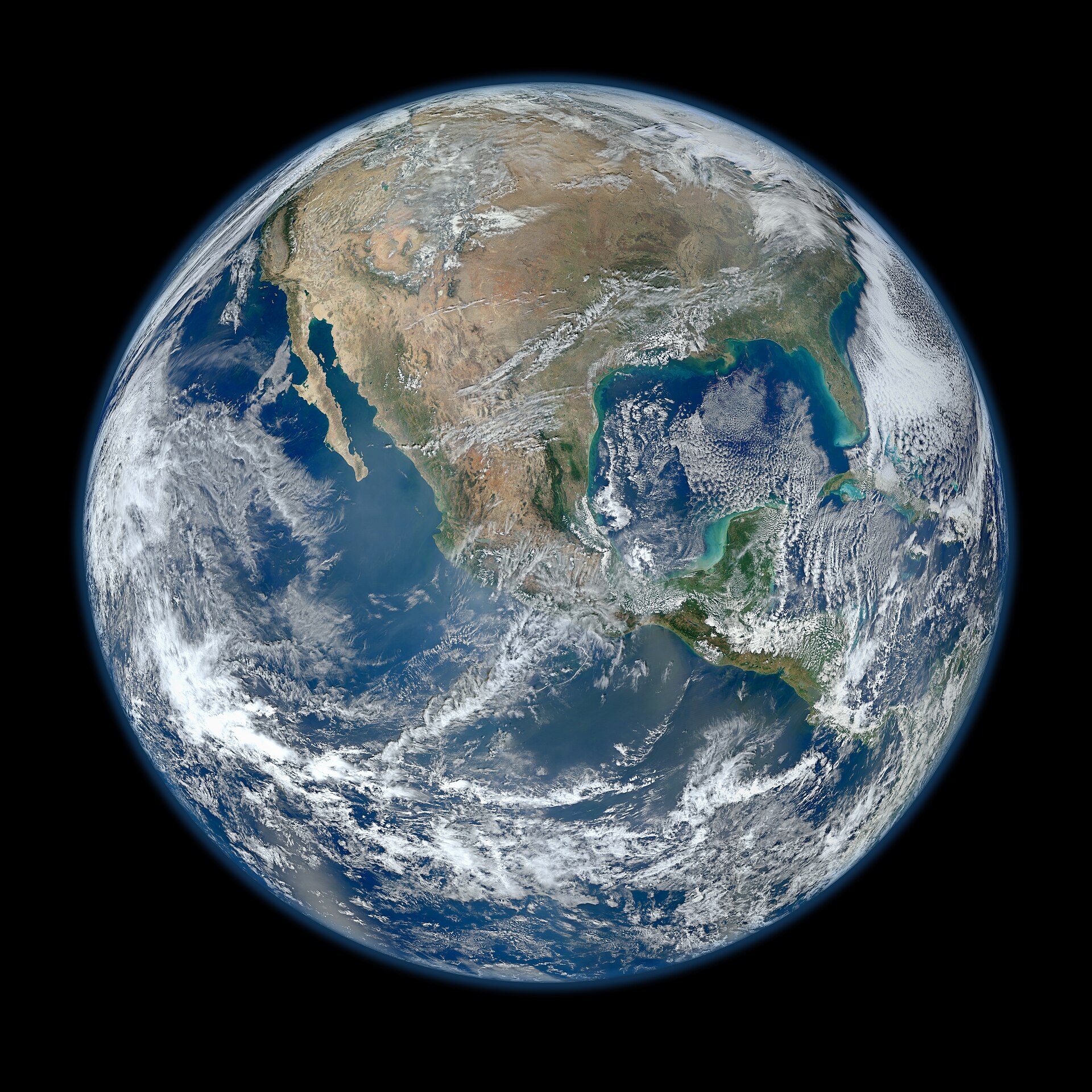
For decades, the map of fast internet ended where the cables stopped. Remote valleys, scattered islands, mountain farms and desert settlements were promised connections that rarely arrived, because laying fibre to a handful of homes could never repay its cost. Satellite broadband existed, but the older services were slow, heavily delayed and expensive enough to remain a last resort rather than a genuine alternative.
That picture is changing quickly. Fleets of satellites in low Earth orbit now pass overhead in their hundreds, close enough to the ground to deliver responsive connections with equipment little larger than a pizza box. The European Space Agency and other space organisations have tracked this transformation closely, as connectivity from orbit moves from a niche service to part of the mainstream communications landscape.
How the New Networks Differ
Traditional communications satellites sit in geostationary orbit, roughly 36,000 kilometres above the equator, where they appear fixed in the sky. The distance gives wide coverage but imposes a noticeable delay on every signal, which makes video calls stilted and interactive applications frustrating. Low-orbit constellations fly a few hundred kilometres up instead, trading individual coverage for speed of response and relying on sheer numbers to keep a satellite always in view.
The user experience reflects that physics. Latency falls from a sluggish pause to something closer to ordinary broadband, and download speeds are often sufficient for streaming, remote work and school. Terminals steer themselves electronically rather than needing precise alignment, which makes installation feasible for ordinary households. Capacity, however, is shared: in densely settled areas the same technology can become congested, which is why providers often market it most actively to rural customers.
Costs Falling, Questions Rising
Prices have fallen as launches have become cheaper and terminals mass-produced, yet the service remains more expensive than urban fibre in most markets, with hardware costs and monthly fees that stretch tight budgets. Subsidy schemes in some countries now treat satellite access as part of universal service provision, recognising that farms, clinics and schools cannot participate fully in modern life while effectively offline.
Growth also raises questions that regulators are still working through. Astronomers worry about bright satellites crossing telescope images, space agencies track the collision and debris risks of crowded orbits, and the night sky itself is changing for everyone who looks up. Competition between rival constellations, and between satellite and terrestrial networks, will shape how these concerns are balanced against the clear benefits of connection.
Rural Life, Reconnected
The human effects are easiest to see at ground level. A crofter joins a work meeting without driving to a town library. A rural clinic sends scans to a distant hospital. Teenagers in a valley village do homework at the same kitchen table speeds as their urban cousins, and small businesses can take bookings, payments and orders they previously lost. None of this is glamorous, which is precisely the point: connectivity becomes ordinary.
Satellite broadband will not replace fibre where fibre makes sense, and weather, trees and terrain can still interrupt it. But for the last valleys on the map, the wait for a cable that was never coming has ended. The change is less about impressive technology than about fairness: the assumption that your postcode should decide whether you can join the modern world is finally beginning to fade.
Challenges remain even after installation. Thick tree cover, severe storms and very remote sites can all interrupt service, and power outages take the connection down with the router. Yet the trajectory is clear: each generation of satellites is cheaper to launch and more capable than the last, and terminals continue to fall in price. For communities that waited decades for fibre that never came, a working connection today matters more than a perfect one tomorrow. The last valleys are no longer defined by what they lack, but by what they can now join.
Read more on flymenews.com and in our Tech pages.
