

Imagine walking through a thriving organic nursery, only to find the new growth of native shrubs and heirloom vegetables nibbled to the ground overnight. For nursery managers dedicated to organic principles, persistent deer activity threatens not only their crops, but also the mission of maintaining a chemical-free environment. Traditional deterrents—fencing, repellents, or scare tactics—can be costly, disruptive, or even harmful to both wildlife and the landscape. Automated sprinkler systems, activated by motion sensors, have emerged as a humane solution that aligns with the values and practical needs of organic nurseries. These systems deter deer without chemicals or physical barriers, giving growers a targeted, animal-friendly tool to safeguard their work.
Protecting Sustainable Crops From Wildlife Damage
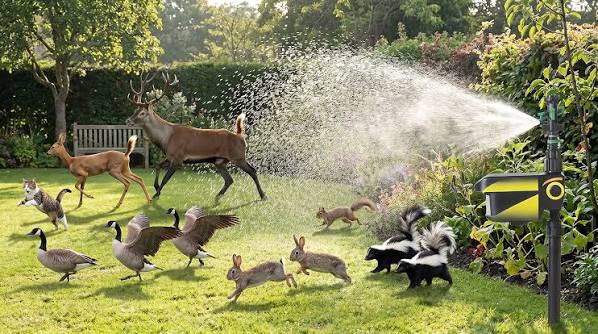
Organic nurseries often cultivate crops that are especially attractive to deer, such as tender seedlings, fruiting shrubs, and young tree saplings. These plants are integral to the nursery’s business and the local ecosystem, but they can be decimated by even a single night of foraging. An automated sprinkler system uses infrared motion sensors to detect deer entering protected zones. When triggered, the system releases a short burst of water, startling the animal but causing no injury. This immediate response discourages repeat visits and helps preserve both ornamental and crop plants without reliance on synthetic deterrents. By targeting only specific areas, these systems prevent widespread water waste and reduce stress to other wildlife that might inhabit the nursery grounds.
For nurseries striving for sustainable practices, integrating wildlife management into organic growing methods supports both crop survival and ethical stewardship of land. These sprinkler systems are increasingly favored by growers seeking to balance productivity with environmental care.
Motion Activated Irrigation For Chemical Free Pest Control
Organic certification standards prohibit the use of many traditional repellents, such as chemical sprays or treated pellets. Motion activated sprinklers offer a viable alternative, allowing nurseries to comply with these rules while still deterring unwanted deer activity. These devices can be calibrated for sensitivity, ensuring they react only to animals of a certain size, which keeps false alarms to a minimum and targets deer specifically.
Using water as a deterrent means there is no residue left on plants, no risk of contaminating soil, and no danger to pollinators or beneficial insects. As a result, growers can maintain a healthy, chemical-free nursery environment. For those considering different strategies, comparing chemical-free deer deterrent methods demonstrates why automated sprinklers appeal to organic operators who need reliable results without compromising their commitment to natural growing.
Safeguarding Delicate Ecosystems Without Harmful Deterrents
Nurseries operating in sensitive environments, such as those adjacent to wetlands or woodland edges, face added pressure to avoid introducing substances or barriers that could disrupt local flora and fauna. Humane Deer Removal systems like automated sprinklers avoid the pitfalls of physical fencing, which can fragment habitats, or noise cannons, which may disturb nesting birds and mammals.
A practical example is a native plant nursery that borders a protected bird sanctuary. Here, automated sprinklers provide a deer deterrent that doesn’t interfere with the movement of smaller animals or the natural behavior of resident species. The system’s design ensures that only large mammals trigger the spray, minimizing unintended impacts and upholding the nursery’s role as a responsible environmental steward. Such a targeted approach supports the nursery’s commitment to conservation and humane wildlife management.
For nurseries requiring ongoing Deer Removal, humane Deer Removal systems like automated sprinklers represent a method that fits both ethical goals and practical constraints. This approach allows operators to focus on growing healthy plants while respecting the surrounding ecosystem.
Cost Effectiveness Of Automated Water Barriers In Agriculture
Initial installation of an automated sprinkler system may involve some expense, but the long-term savings are significant. Unlike fencing, which requires ongoing maintenance and can be damaged by weather or animals, these systems need only routine checks and occasional sensor adjustments. Water use is limited to brief bursts, keeping operating costs low and avoiding excessive irrigation that could damage plants or raise utility bills.
Because automated sprinklers are modular, nurseries can expand coverage as needed without committing to a complete overhaul of their grounds. The technology is compatible with existing irrigation infrastructure, reducing the need for specialized labor or costly upgrades. For organic nurseries looking for humane Deer Removal systems that deliver value and flexibility, automated sprinklers offer a balance between upfront investment and ongoing effectiveness.
Conclusion
For nursery owners seeking humane and effective deer deterrence, piloting a motion-activated sprinkler system on their most vulnerable crops provides a low-risk, scalable way to gauge benefits before wider adoption. This approach supports both sustainable agriculture and ethical wildlife management, helping nurseries thrive without compromising their organic principles.