


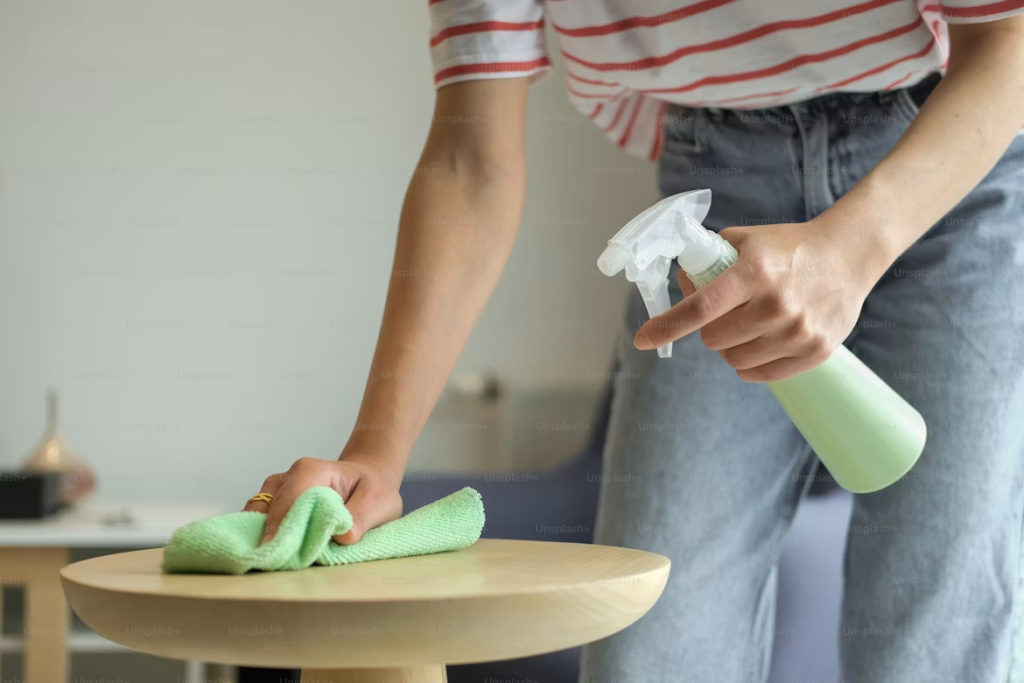
Anyone who has had pets before can relate to the following scenario. You find the mess left by your pet; you grab the nearest cleaner and try to get rid of it. After two days, your dog is sniffing the same spot where they made a mess, as if nothing ever happened there. There’s a reason behind it, and the solution lies in the techniques you employ to clean the mess.
As an owner of pets in Australia, you know the struggle that goes into keeping your house or apartment clean. The constant muddy paw marks in the house, along with the mess they create indoors, take their toll on any owner’s cleaning products. However, not all cleaners are made the same, which is a critical factor worth taking into consideration when cleaning.
Why Do Pet Stains Stick Around?
First, mess created by pets consists of various substances, among which there are proteins, bacteria, uric acid, and ammonia. Traditional cleaning products are aimed at tackling fats and oils, while they are incapable of getting rid of the biomolecular stains left behind by pets.
In addition to being challenging to remove, urine stains pose another threat to you. As soon as they dry out, uric acid forms crystals that penetrate into fabrics or flooring on the molecular level. A traditional cleaner removes the stain on the surface, while those crystals continue to stay on the surface. The moment your room is exposed to some humidity (as is the case in Sydney, for example), the odour is released again.
How Enzymatic Cleaners Remove Stains
Enzymatic products are unique in how they approach cleaning. They contain living cells called biological enzymes, which act as catalysts of chemical reactions and help degrade larger molecules into smaller parts. Depending on the type of mess you have on your hands, different enzymes are involved in the process: proteases deal with proteins, lipases with fat molecules, and uricases with uric acids.
After the breakdown, natural bacteria in the formula consume any remaining particles and completely restore the cleanliness of the surface. Thus, PawLab enzyme spray, as an example, is recognised as the best way to remove biomolecular stains without leaving residues behind. This method of cleaning is especially effective for carpeting and timber flooring.
One thing to bear in mind here is that the effectiveness of enzymatic cleaners depends on the amount of time that has passed after applying the formula. The product needs some time to activate and start breaking down the mess left behind by your pet.
Odour Elimination Versus Masking
Sometimes, odour eliminations may appear together with enzymatic cleaners. In contrast to perfumes, they involve certain chemical processes that modify odour-forming molecules, neutralising them in the process. Active charcoal, baking soda, and certain plant-based elements can be used for the latter purpose.
On the other hand, fragrance-based products are not much of a help as well since they only mask the odour without removing it. That’s why your dog tends to go back to the same spot, as their sense of smell is many times higher than your own.
What Ingredients Should Be Used
When buying an enzymatic product for cleaning, always look for a formula that lists living cells used for degradation. Ideally, it should contain bacteria capable of consuming any remaining residue. A neutral or mildly acidic pH is also essential for the product, since alkaline cleaners tend to fix protein-based mess.
Avoid using any products based on ammonia or bleach near your pets. Ammonia is part of urine, hence using such products attracts pets to the location. In addition to being highly harmful, strong bleach cleaners may leave permanent stains on certain surfaces.
Choose a Suitable Pet Cleaner
All in all, choosing a suitable cleaner depends largely on its biological components and their capability of eliminating messes caused by living organisms. If you are a pet owner in Australia, finding an enzymatic product that works is your first step toward a clean home environment!