


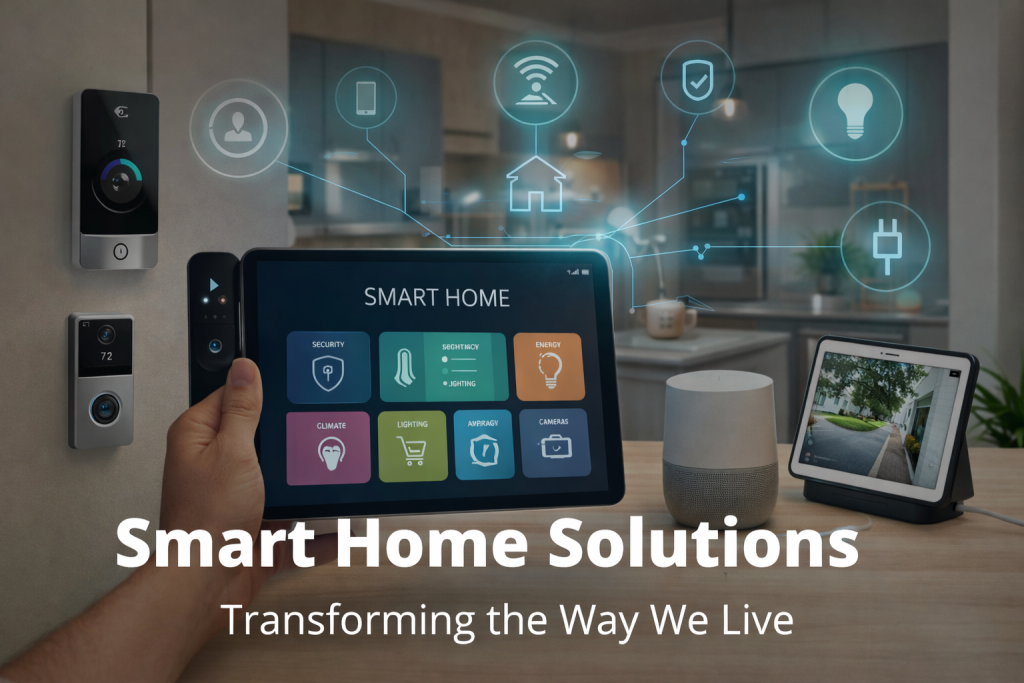
Keeping utility bills under control can often feel like a guessing game. You might leave for work wondering if someone left the living room lights on or if the air conditioning is running in an empty house. As energy costs rise and environmental awareness grows, finding better ways to manage household power is more important than ever.
Fortunately, technology offers a practical solution. Modern home automation systems are changing how we interact with our living spaces. Instead of manually adjusting every switch and dial, you can now rely on smart devices to handle the heavy lifting. This post will explore the benefits of smart energy management, the key features you need to know about, and how you can seamlessly integrate these tools into your daily routine.
The Benefits of Smart Energy Management
Reducing energy bills and environmental impact
The most immediate advantage of smart technology is the reduction in wasted power. When your home systems operate only when needed, you consume less electricity. This lowers your monthly utility bills and shrinks your household carbon footprint.
Convenience and comfort through automation
You do not have to sacrifice comfort to save energy. Smart systems learn your habits and adjust the environment automatically. Your house can pre-cool before you arrive home from work or lower the blinds when the afternoon sun gets too hot.
Enhanced control over home systems
With a smartphone or tablet, you gain complete visibility over your property. You can turn off a forgotten curling iron from your office or check if the garage door is closed. This level of control provides unmatched peace of mind.
Key Features of Modern Home Automation for Energy
Smart thermostats and climate control
Heating and cooling make up a massive portion of household energy use. Smart thermostats tackle this by learning your schedule and preferred temperatures. They adjust heating and cooling based on whether you are asleep, away, or relaxing in the living room.
Automated lighting and appliance control
Smart bulbs and plugs ensure you never waste electricity on an empty room. Motion sensors can trigger lights to turn off when no one is present, while smart plugs can cut standby power to televisions and gaming consoles.
Energy monitoring and analytics
Knowledge is power. Many home automation hubs provide detailed reports on your energy usage. You can see exactly which appliances draw the most electricity and adjust your habits accordingly.
Getting Started with Home Automation for Energy Efficiency
Planning and identifying energy waste
Before buying new gadgets, take a walk around your property. Identify areas where energy is frequently wasted. Do family members constantly leave the hallway lights on? Does the heating run all night? Pinpointing these pain points will help you choose the right solutions.
Choosing the right smart devices and systems
Start small. You do not need to wire your entire house at once. Begin with a smart thermostat or a few smart plugs. Ensure the devices you choose are compatible with a central hub, like Apple HomeKit, Google Home, or Amazon Alexa, so you can expand your system easily later.
Installation and setup tips
Many entry-level smart devices are designed for simple DIY installation. Follow the manufacturer instructions carefully, and connect the devices to a secure Wi-Fi network. For more complex setups, such as smart electrical panels, always hire a licensed professional.
The Human Touch: Making Your Home Automation Work for You
Customizing schedules and preferences
Technology should adapt to your family, not the other way around. Set your smart lighting to gradually brighten with your morning alarm, or program a “goodnight” routine that locks the doors and turns down the heat with a single voice command.
Real-world examples of daily energy savings
Small adjustments add up. Programming your thermostat to drop a few degrees during the workday can save significant amounts of energy over a month. Similarly, setting outdoor lights on a strict sunrise-sunset schedule prevents unnecessary power usage during daylight hours.
Empowering homeowners to take control
Ultimately, these tools put you in the driver’s seat. You get to decide exactly how and when your home uses energy, making your daily routine smoother and less stressful.
A More Sustainable, Comfortable Future
Transitioning to a smart home is a highly effective way to curb unnecessary power consumption. By leveraging smart thermostats, automated lighting, and real-time energy tracking, you can drastically reduce your environmental impact while saving money.
As technology continues to advance, the integration between our daily habits and our homes will only become more seamless. Taking the first steps toward smarter energy management today sets the foundation for a more sustainable, comfortable, and efficient home tomorrow.