


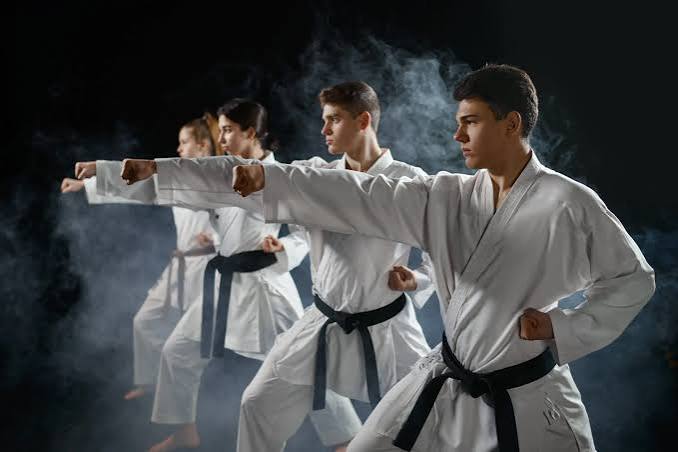
Bullying can make a teenager feel scared, isolated, angry, or powerless. It may happen at school, online, in social groups, or even during activities that should feel safe. While some people think the answer is to fight back, physical fighting often makes a difficult situation worse. It can lead to injuries, school discipline, and more serious conflicts. A better approach is helping young people build the confidence, awareness, and practical skills needed to protect themselves without looking for a fight. This is where self defense for Teens can make a meaningful difference. Quality martial arts and self-defense training teach teens that real strength is not about proving who is tougher. It is about staying calm, making smart decisions, setting boundaries, and knowing how to get away from danger when necessary. At Elite Pro Martial Arts, training can support the development of these important life skills in a structured and positive environment. Teens learn how to recognize risky situations, use confident body language, communicate clearly, and respond appropriately when someone crosses a boundary. These skills can be especially valuable when dealing with bullying because they give students more options than simply fighting or staying silent. A well-designed self-defense program also helps young people understand that avoiding conflict is not weakness. In many situations, walking away, finding a trusted adult, or creating distance is the safest and strongest choice. By combining physical awareness with emotional control, self defense for Teens can help students feel more prepared for challenging situations while encouraging respect, responsibility, and personal safety.
Self-Defense Builds Confidence Without Encouraging Aggression
One of the biggest benefits of martial arts training is the confidence it can give teenagers. Bullies often look for someone who appears afraid, uncertain, or isolated, although bullying is never the victim’s fault. Learning self-defense can help teens improve their posture, awareness, and sense of personal control. As students practice new skills and see themselves improve, they may begin to carry themselves with greater confidence in everyday life. This does not mean acting aggressive or challenging other people. In fact, good self defense for Teens training teaches the opposite. Students learn that confidence should be calm and controlled. A confident teen may be more likely to make eye contact, speak clearly, set a boundary, and leave a situation before it becomes physical. Martial arts training can also provide a healthy outlet for stress and frustration. Bullying can create strong emotions, and teens need safe ways to manage anger rather than letting it control their actions. Through regular practice, students can learn discipline, patience, focus, and emotional regulation. These lessons may help them pause and think before reacting. At Elite Pro Martial Arts, the goal of training should go beyond learning physical techniques. A supportive martial arts environment can help students understand that strength includes self-control. When a teen knows they have the ability to protect themselves if absolutely necessary, they may feel less pressure to prove that ability through a fight. This combination of confidence and restraint can be a powerful tool for dealing with bullying and other social challenges.
Awareness and Prevention Are Important Self-Defense Skills
Effective self-defense starts long before physical contact happens. Teens can benefit from learning how to pay attention to their surroundings and recognize when a situation may be becoming unsafe. This type of situational awareness is an important part of self defense for Teens because prevention is usually safer than reacting after a conflict has already escalated. For example, a teen may learn to notice when a group is becoming hostile, when someone is invading their personal space, or when an online conversation is turning into harassment. Recognizing warning signs can give a young person time to make a smart choice, such as moving toward other people, leaving the area, blocking harmful online contact, or asking for help. Self-defense education can also teach the importance of personal boundaries. Teens should understand that they have the right to say no, ask someone to stop, and seek support when they feel threatened or uncomfortable. Practicing these responses can make them easier to use in real life. Body language matters as well. Standing upright, staying aware, and speaking with a clear voice can communicate confidence without creating unnecessary conflict. These skills are useful not only when dealing with a bully but also in many everyday situations. Parents may also appreciate that a strong youth martial arts program can reinforce the idea that students should not handle serious bullying alone. Teens should be encouraged to talk with parents, teachers, school counselors, coaches, or other trusted adults when bullying continues or when they feel unsafe. Physical self-defense is only one part of personal safety. Awareness, communication, and support are equally important.
Learning to Set Boundaries and De-Escalate Conflict
Many bullying situations begin with words, teasing, intimidation, or repeated unwanted behavior. Because of this, teenagers can benefit from learning verbal and emotional skills alongside physical self-defense techniques. Self defense for Teens should include the ability to set clear boundaries without immediately becoming hostile. A simple, firm response such as telling someone to stop, followed by creating distance, may be more effective than trading insults or responding with threats. De-escalation is another valuable skill. It means trying to reduce tension instead of adding more anger to a situation. This does not mean accepting bullying or pretending that harmful behavior is acceptable. It means choosing a response that gives the teen the best chance of staying safe. A martial arts student may learn to control their breathing, manage their emotions, and avoid impulsive reactions. These habits can be useful when another person is trying to provoke a fight. Bullies may sometimes seek an emotional reaction, and staying calm can prevent the situation from developing in the way the bully expects. Of course, every situation is different, and some forms of bullying require immediate help from adults or authorities. Serious threats, physical attacks, stalking, harassment, and ongoing abuse should never be ignored. Teens should know when to leave, when to seek help, and when immediate safety must come first. At Elite Pro Martial Arts, a positive training approach can reinforce the difference between standing up for yourself and starting a confrontation. The strongest response is not always the loudest one. Often, it is the response that protects the teen’s safety, dignity, and future.
Physical Skills Provide a Last Resort for Personal Safety
Although the main goal is to avoid violence, there may be situations where a teenager cannot simply walk away. If someone physically attacks them and escape is not immediately possible, appropriate self-defense training can help a student understand basic principles of protection and creating an opportunity to get to safety. This is an important reason why self defense for Teens should focus on responsible instruction rather than promoting fighting. The purpose is not to win an argument, punish a bully, or show off martial arts skills. The purpose is personal safety. A qualified instructor can teach techniques in a controlled environment while emphasizing judgment, restraint, and legal and school-related consequences. Training may also improve balance, coordination, fitness, and body awareness, which can help teens feel more capable and in control. Just as important, students can learn when not to use physical skills. Martial arts discipline teaches that force should not be the first answer to an insult, disagreement, or social problem. This lesson can help teens separate everyday conflict from a genuine safety threat. A student who trains regularly may also become more comfortable under pressure because they have practiced staying focused and following instructions. However, training is not a guarantee against harm, and no program can prevent every dangerous situation. Teens should still prioritize escape, seek help, and report serious incidents. The value of self-defense education is that it gives young people additional tools to respond wisely. Instead of believing their only choices are fighting back or doing nothing, they can learn to assess the situation and choose the safest possible response.
Martial Arts Can Create a Supportive Community for Teens
Bullying often becomes more difficult when a teenager feels alone. A positive martial arts school can provide a sense of community where students work toward goals, support one another, and develop friendships based on mutual respect. This social environment can be another important benefit of self defense for Teens. Training with peers can show students that people come from different backgrounds, have different abilities, and learn at different speeds. Respect becomes part of the culture rather than simply a rule. At Elite Pro Martial Arts, teens can have the opportunity to challenge themselves while learning alongside instructors and classmates who encourage growth. Earning progress through consistent practice can also give students a strong sense of achievement. For a teen who has been affected by bullying, reaching new goals in martial arts may help rebuild confidence and self-belief. Regular training also creates structure. Teens learn to listen, practice, accept feedback, and keep improving even when something feels difficult. These habits can transfer into school, relationships, and other areas of life. Parents can also become part of the process by talking with their teens about what they are learning and encouraging open communication about bullying concerns. A strong support system is one of the best ways to help a young person deal with difficult experiences. Martial arts should not replace professional, school, or family support when bullying is serious, but it can be a valuable part of a broader approach to teen safety and personal development. When young people feel supported and capable, they may be better prepared to handle challenges without feeling that violence is their only option.
Conclusion
Self-defense training can give teenagers valuable tools for dealing with bullying without turning every conflict into a fight. Through confidence building, situational awareness, boundary setting, emotional control, de-escalation, and responsible physical training, self defense for Teens can support both personal safety and healthy decision-making. The most effective approach teaches students that real strength includes knowing when to speak up, when to walk away, and when to ask for help. Martial arts can also provide a positive community where teens develop discipline, respect, fitness, and self-confidence. For families looking to help young people become more prepared and resilient, Elite Pro Martial Arts can represent a constructive path toward stronger personal awareness and responsible self-protection. When teens understand that they have options beyond fighting, they can face difficult situations with greater confidence and control. Ultimately, self-defense is not about encouraging violence. It is about helping young people protect themselves, respect others, and make smart choices when challenges arise.
