


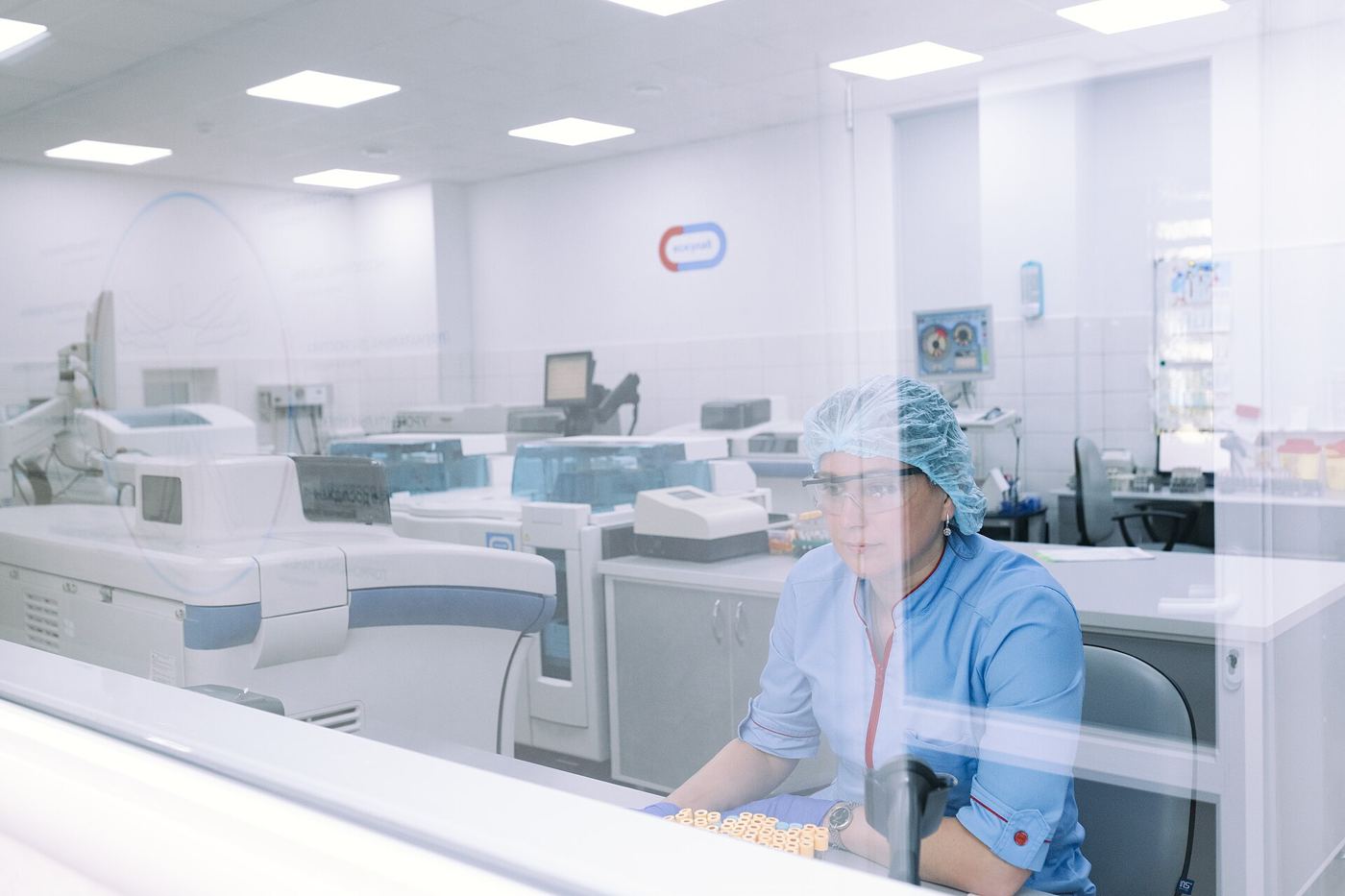
Some of the most painful inherited diseases are caused by a single misspelled letter in a person’s DNA. In sickle cell disease and beta thalassemia, a fault in the gene for haemoglobin leaves patients with red blood cells that break down too easily, causing anaemia, pain and organ damage. CRISPR gene editing offers a way to correct the fault at its source. The technique uses a molecular tool, adapted from a defence system found in bacteria, to cut DNA at a precise location and let the cell repair it. In the new treatments, doctors take a patient’s blood stem cells, edit them in the laboratory to restore healthy haemoglobin production, and return them to the patient. Early results have been striking, with treated patients producing healthy red blood cells and living without the regular transfusions they once needed. Regulators have begun approving the first of these therapies. The first patients treated in trials have stayed free of transfusions for years, a result doctors once thought impossible.
What the Evidence Shows
The approach is powerful but demanding. Editing a patient’s stem cells outside the body is complex and expensive, and patients must undergo strong treatment to prepare their bone marrow for the edited cells, which carries its own risks. Researchers are working on simpler versions that could be given directly as an injection, and on editing techniques that change a single DNA letter without cutting the strand at all. Safety is the central question, since an edit in the wrong place could have unintended effects, and patients will be followed for many years after treatment. Scientists stress that the therapies are still new, and that the long-term results will decide how widely they are used. Even so, the first successes have shown that editing the DNA of a patient’s own cells can treat a disease that once had no cure. Reporting and analysis from sources such as Nature track the same developments, and specialists following the CRISPR blood disorder treatments say the direction is now consistent across independent lines of evidence.
The Wider Context
The wider context is a research landscape in which replication and open data now decide reputations. Findings connected to the CRISPR blood disorder treatments are being checked by independent groups with shared datasets, and the teams involved publish their methods in full so rivals can test every step. That discipline is slower than a headline cycle, but it is why results in this area increasingly survive first contact with scrutiny.
What Happens Next
What happens next in the story of the CRISPR blood disorder treatments will be decided by follow-up work already under way: larger samples, longer observation and instruments that have not yet come online. The researchers involved are unusually united on one point, that the current results justify the next investment of time and money. Readers will not have to wait long for the first tests of that claim. You can follow related developments in our coverage of science.
None of this will be settled by a single announcement, study or product launch. The pattern to watch is accumulation: independent confirmations, honest reporting of failures and steady improvement in the underlying numbers. Readers who follow those signals, rather than the loudest claim of the week, will understand this subject better than most of the commentary surrounding it suggests is possible.
