


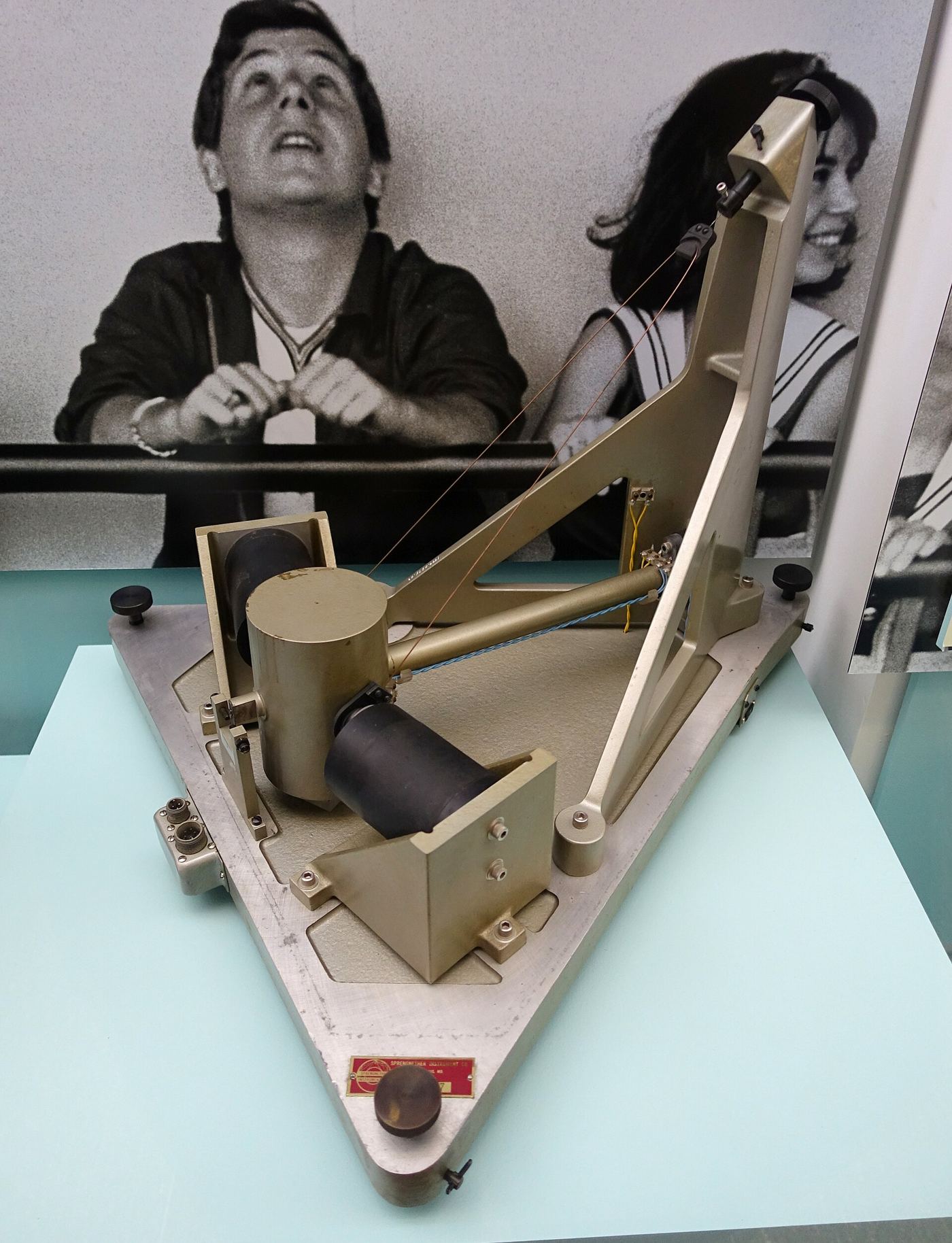
Earthquakes strike without warning, yet the ground itself gives a small head start to anyone listening closely. When a fault slips, it sends out fast, weak tremors first, followed seconds later by the slower, stronger shaking that causes damage. A network of sensors can detect those first tremors, work out where the quake began and how strong it might become, and send an alert to phones, schools and train operators before the heavy shaking arrives. Even a few seconds is enough to duck under a desk, stop a train, shut down a gas line or step away from a window. Several countries have built such systems along their most dangerous faults, and they have already warned millions of people during real quakes. The technology is not a prediction system, since no one can say when a quake will happen, but it turns the physics of seismic waves into precious time.
What the Evidence Shows
Building a warning system takes more than sensors. The instruments must be dense enough to catch the first tremors quickly, the computers must decide within a second or two whether an alert is warranted, and the message must reach people through phones, radio and public sirens without delay. False alarms are a real risk, since a warning that cries wolf too often will be ignored, so engineers tune the system to balance speed against accuracy. In some regions, the network also uses the sensors inside ordinary smartphones, turning millions of devices into a vast, low-cost detection grid. The approach is spreading, with new systems being tested in cities that sit near active faults. For people living in earthquake country, those few seconds of warning can make a genuine difference. Every second gained is a second that can save lives. Reporting and analysis from sources such as National Science Foundation track the same developments, and specialists following the earthquake sensors giving cities seconds of warning say the direction is now consistent across independent lines of evidence.
The Wider Context
The wider context is a research landscape in which replication and open data now decide reputations. Findings connected to the earthquake sensors giving cities seconds of warning are being checked by independent groups with shared datasets, and the teams involved publish their methods in full so rivals can test every step. That discipline is slower than a headline cycle, but it is why results in this area increasingly survive first contact with scrutiny.
What Happens Next
What happens next in the story of the earthquake sensors giving cities seconds of warning will be decided by follow-up work already under way: larger samples, longer observation and instruments that have not yet come online. The researchers involved are unusually united on one point, that the current results justify the next investment of time and money. Readers will not have to wait long for the first tests of that claim. You can follow related developments in our coverage of science.
There is a practical lesson in all of this for readers deciding what to do today. Start with the verified facts, be wary of anyone promising certainty, and prefer reversible steps while the evidence is still developing. Circumstances differ by country, income and personal situation, so general guidance should always be weighed against your own context before you act on it in any significant or lasting way.
