


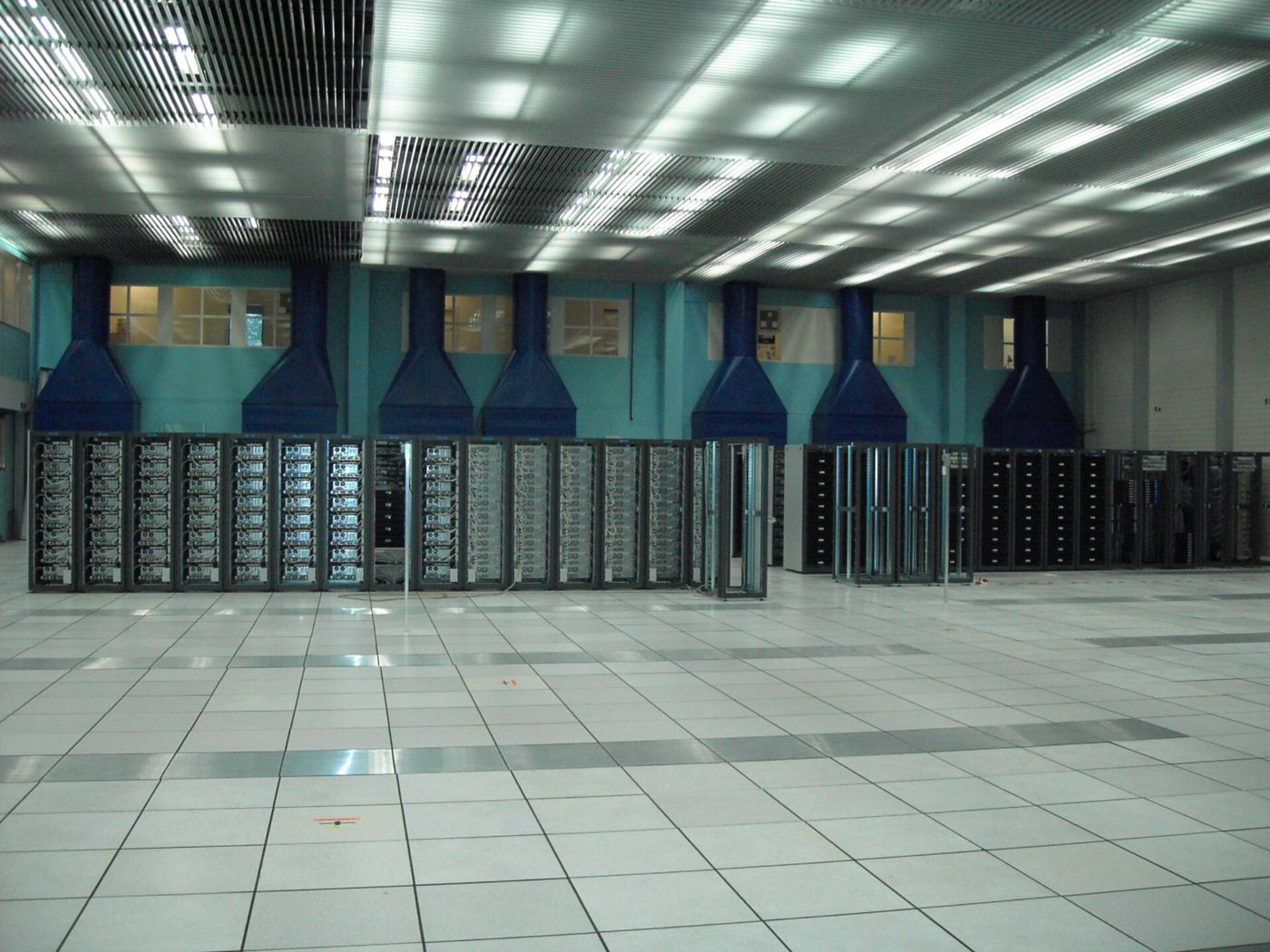
The data centres powering artificial intelligence produce carbon emissions comparable to those of an entire country, according to a study published in the journal Nature Sustainability and reported on 16 November 2026. Researchers estimated that 403 large American data centres generated about 25.7 million metric tons of carbon dioxide during the year ending in April 2025, roughly equal to Denmark’s annual emissions. The facilities consumed between 68 and 99 terawatt-hours of electricity, about 1.8 percent of all electricity used in the United States, and more than half of that power came from fossil fuels. The study highlights the growing environmental cost of the infrastructure behind AI and cloud computing.
What the Evidence Shows
The finding lands as technology companies race to build ever larger data centres to train and run AI models, with demand for computing power still rising fast. Critics say the industry’s climate promises are hard to square with the new numbers, while companies argue that cleaner power and more efficient chips can limit the damage. The researchers say the figures cover only large facilities in the United States, so the global total is far higher. The study adds weight to calls for data centres to run on renewable energy and for AI companies to report their emissions openly. As AI spreads into more of daily life, its electricity bill is becoming a climate issue in its own right. Reporting and analysis from sources such as National Science Foundation track the same developments, and specialists following the AI data centre carbon emissions study say the direction is now consistent across independent lines of evidence.
The Wider Context
The wider context is a research landscape in which replication and open data now decide reputations. Findings connected to the AI data centre carbon emissions study are being checked by independent groups with shared datasets, and the teams involved publish their methods in full so rivals can test every step. That discipline is slower than a headline cycle, but it is why results in this area increasingly survive first contact with scrutiny.
What Happens Next
What happens next in the story of the AI data centre carbon emissions study will be decided by follow-up work already under way: larger samples, longer observation and instruments that have not yet come online. The researchers involved are unusually united on one point, that the current results justify the next investment of time and money. Readers will not have to wait long for the first tests of that claim. You can follow related developments in our coverage of science.
There is a practical lesson in all of this for readers deciding what to do today. Start with the verified facts, be wary of anyone promising certainty, and prefer reversible steps while the evidence is still developing. Circumstances differ by country, income and personal situation, so general guidance should always be weighed against your own context before you act on it in any significant or lasting way.
