


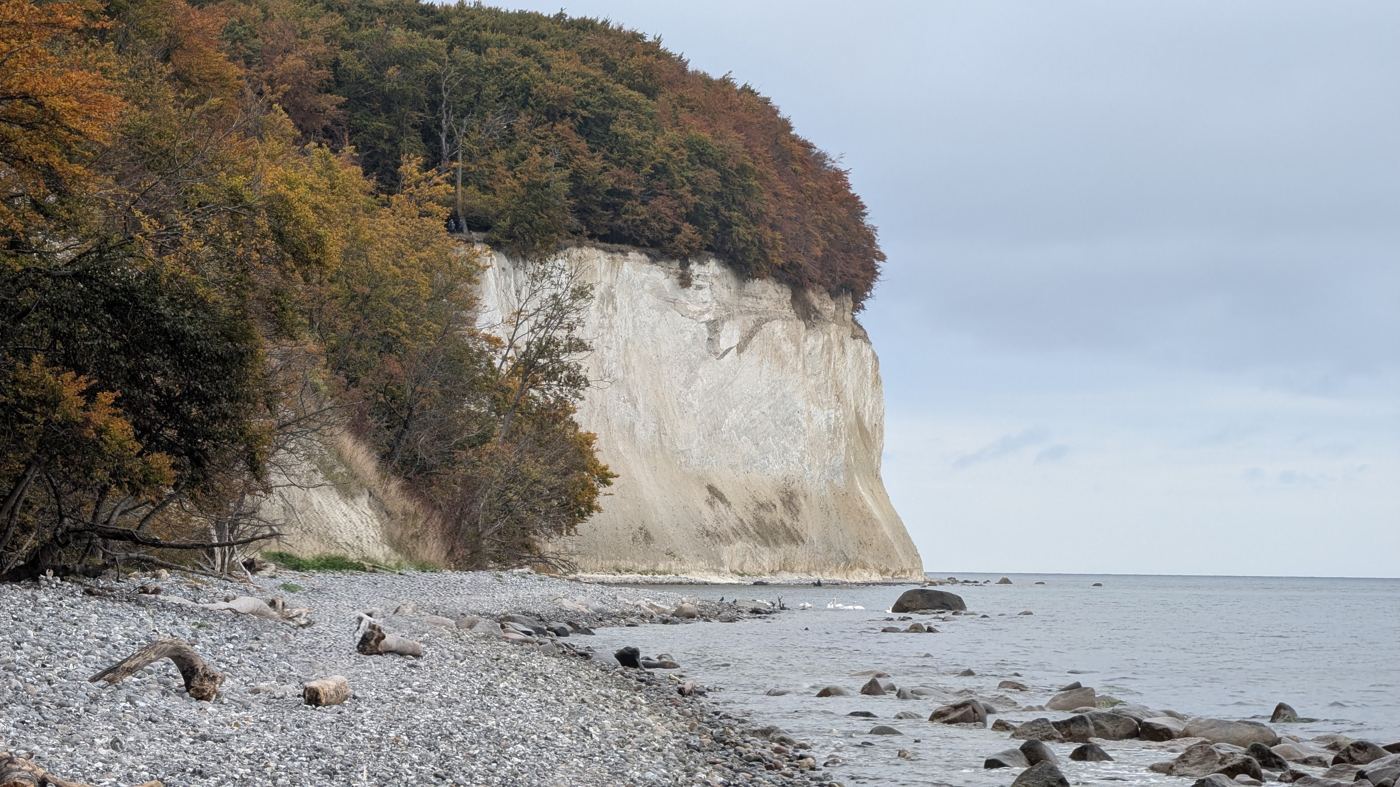
The ocean breathes out a far richer mix of gases than climate models assume, according to a University of Copenhagen-led study published in Nature Communications on 23 November 2026. Researchers measured the air-sea exchange of 73 volatile organic compound signals over 51 days on Utö Island in the Baltic Sea, during the summer-to-autumn transition in 2024, and chemically identified 48 of them, roughly ten times more compounds than typical earlier studies tracked. The work was led by postdoctoral researcher Mehrshad Foroughan with senior author Professor Riikka Rinnan. Dimethyl sulfide, the main source of the classic ocean smell, fell to nearly zero as waters cooled, mixed more and cyanobacterial blooms declined, showing how tightly the gas exchange follows the ecosystem.
What the Evidence Shows
These gases matter because they feed into air quality, secondary organic aerosols, cloud formation and tropospheric ozone, and dimethyl sulfide is the largest natural source of atmospheric sulfur over the oceans. The team used continuous eddy-covariance measurements with a proton-transfer-reaction time-of-flight mass spectrometer, sampling marine air about ten times per second alongside wind data from a mast, producing one of the few long, continuous multi-gas flux records over the sea. Identified gases included methanethiol, formic acid, isoprene, acetic acid and acetone. The results expose a blind spot in climate models that rely on simplified, few-compound or static assumptions about marine gas fluxes, and similar broad measurements elsewhere are needed for better projections. Reporting and analysis from sources such as National Science Foundation track the same developments, and specialists following the Baltic Sea ocean gas exchange study say the direction is now consistent across independent lines of evidence.
The Wider Context
The wider context is a research landscape in which replication and open data now decide reputations. Findings connected to the Baltic Sea ocean gas exchange study are being checked by independent groups with shared datasets, and the teams involved publish their methods in full so rivals can test every step. That discipline is slower than a headline cycle, but it is why results in this area increasingly survive first contact with scrutiny.
What Happens Next
What happens next in the story of the Baltic Sea ocean gas exchange study will be decided by follow-up work already under way: larger samples, longer observation and instruments that have not yet come online. The researchers involved are unusually united on one point, that the current results justify the next investment of time and money. Readers will not have to wait long for the first tests of that claim. You can follow related developments in our coverage of science.
There is a practical lesson in all of this for readers deciding what to do today. Start with the verified facts, be wary of anyone promising certainty, and prefer reversible steps while the evidence is still developing. Circumstances differ by country, income and personal situation, so general guidance should always be weighed against your own context before you act on it in any significant or lasting way.
