


Remote Monitoring at the Core of Next-Generation Smart Factories
The current manufacturing industry is developing due to automation, connectivity, and smart information management. With the increasing complexity of production processes, remote monitoring systems have become an indispensable part of future smart plants. These systems enable the manufacturer to track the operation of machinery, detect problems, and take informed decisions without the need for constant physical visits. Remote tracking helps improve the efficiency, reliability, and resilience of manufacturing operations thanks to real-time data gathering and analysis. The following are some of the key points about it.
Real-Time Equipment Visibility Improves Operational Control
The most obvious benefit of off-site monitoring lies in the ability to have ongoing oversight of production operations in the factory. Sensors connected to the machinery provide data related to their performance, temperature, vibrations, energy use and other important information. This information is collected by central systems, which enables maintenance workers and production managers to keep track of equipment remotely. Thus, it is not only possible to rely on inspections and reporting procedures but also to get the most up-to-date data on equipment operation at any time when necessary. It becomes easier to detect abnormal operation of the equipment, monitor the production process and conduct maintenance activities.
Improved Diagnostics Enable More Accurate Maintenance Decisions
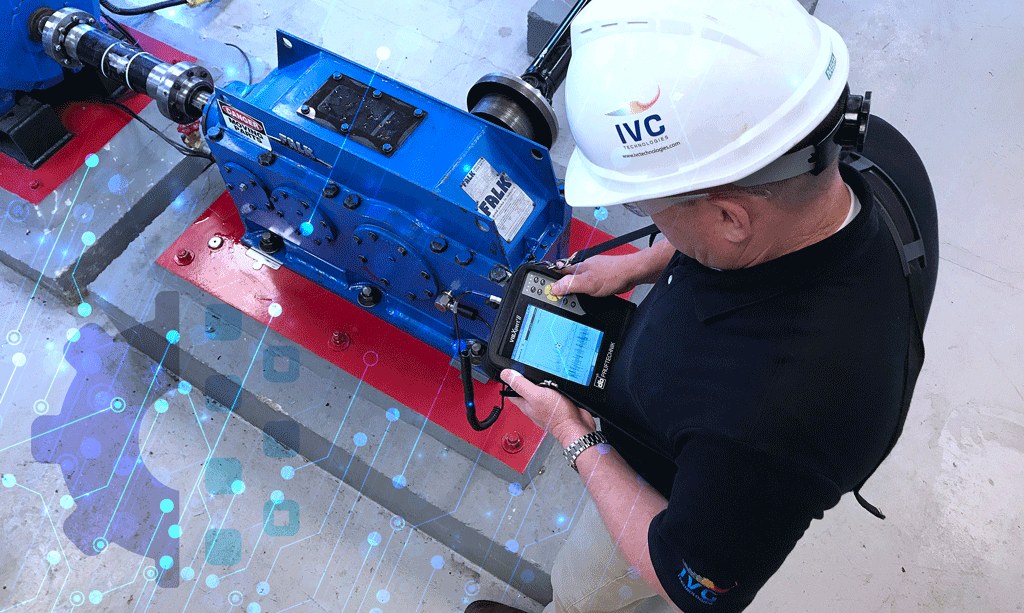
Advanced technologies used for monitoring have contributed to improved diagnosis through the fusion of information provided by sensors, experience, and software analysis. Instead of notifying maintenance engineers about an out-of-operating-range machine, advanced technologies allow for investigation of reasons for failure and identification of necessary parts to be inspected. Technologies for vibration, thermal, and acoustic analysis provide helpful information about problems that occur in machines due to mechanical or electrical failures. For example, vibrations may indicate bearing wear, misalignment, imbalance, and looseness. Manufacturers seeking to strengthen their diagnostic capabilities should invest in the best remote vibration monitoring services to identify developing mechanical issues, interpret performance data, and prioritize appropriate maintenance interventions. More accurate diagnostics reduce unnecessary component replacements while helping maintenance teams allocate resources efficiently.
Predictive Maintenance Reduces Unexpected Production Interruptions
Unexpected failures of equipment can negatively impact production planning and result in higher operational expenses. By using the remote tracking system, companies will be able to move to a level of preventive maintenance of equipment due to the early detection of the signs of malfunction of their machines. The analysis tools analyze the incoming data from sensors in relation to the established criteria for performance and detect abnormalities. The monitoring systems use such technologies as artificial intelligence and machine learning in order to detect the most complex patterns, which otherwise would have been overlooked. In this way, manufacturers will be able to plan equipment inspections and maintenance in advance.
Connected Systems Strengthen Factory-Wide Collaboration
In the case of future smart factories, connectivity is essential since it entails interaction among machines, technologies, and people. Off-site monitoring plays a part in ensuring this connectivity through the integration of operational technology, manufacturing execution systems, enterprise resource planning systems, and computerized maintenance management systems. Through integration, relevant data can be available to the people who have to take charge of production planning, technical assistance, inventory management, and equipment maintenance. Whenever there are abnormal situations, there will be notifications sent automatically to the right people, which will enable coordination of actions without any delays. It is easier for departments to collaborate through integrated monitoring systems as all of them have access to consistent operational data.
Data-Driven Insights Support Continuous Improvement
Remote analysis produces important historical data that can be used by manufacturers to assess performance in the long term and find ways of improving it. By examining how well equipment is utilized, how much energy is consumed, how often equipment needs maintenance, and when there are production disruptions, organizations will be able to discover inefficient practices that may have remained undetected otherwise. This information allows managers to assess the performance of their production lines, detect inefficient assets, and evaluate the efficiency of the current maintenance practices. Monitoring data may also help to implement sustainable development practices through the identification of unnecessary energy consumption, machine operation, and inefficient production practices.
Remote monitoring revolutionizes smart factories by integrating the machinery, workforce, and intelligent systems through constant data exchange. Whether it is better diagnostics, predictive maintenance, collaboration, or optimization, its benefits go beyond all elements of the manufacturing environment. Those firms that take advantage of remote tracking capabilities can establish robust manufacturing facilities.
