


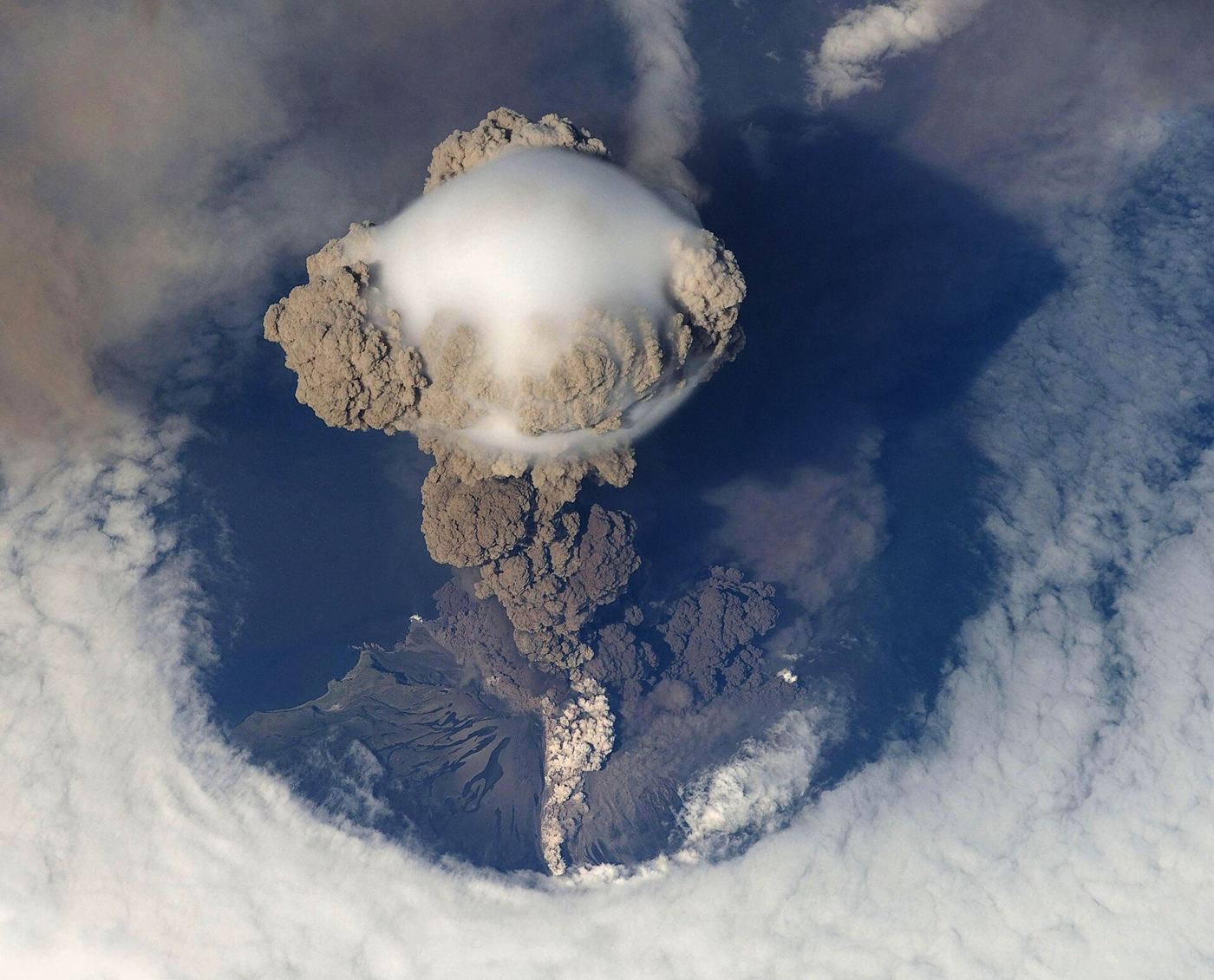
Most of Earth’s volcanism happens out of sight, on the ocean floor, where erupting lava meets cold seawater and builds mountains that usually remain submerged. Occasionally one grows tall enough to break the surface, and a new island appears where charts recently showed open water. Such births are dramatic and often brief. Waves attack loose ash and cinders from the first day, and many young islands erode away within months. A few survive, usually when lava flows cap the fragile material with harder rock, giving the shoreline armour against the sea. Volcanologists watch these events closely with satellites, hydrophones that hear underwater explosions, and instruments that detect discoloured water where eruptions are underway below the surface. Each new island is a natural experiment in how land forms and how life colonises it, since seabirds, seeds and insects arrive on a surface that began the year as seafloor. The eruptions also matter for safety. Submarine volcanoes can generate tsunamis, disrupt shipping with floating rafts of pumice, and damage the undersea cables that coastal nations depend on, so monitoring them is practical as well as scientific.
What the Evidence Shows
Ecologists who reach young islands, or study them by drone and satellite, document colonisation step by step. Microbes and algae film the new rock first, seabirds bring nutrients in droppings and feathers, and wind and waves deliver seeds that test the harsh, salty conditions. Comparing islands of different ages shows how quickly a functioning ecosystem can assemble, and which species act as founders for everything that follows. Geologists, meanwhile, use the eruptions to probe how magma moves beneath the seafloor and how the style of eruption changes as a volcano grows shallower and its gases interact more violently with water. That transition explains why some undersea eruptions are gentle lava flows while others explode into towering ash columns. For island nations, especially in the Pacific, these volcanoes are neighbours whose behaviour affects aviation, fishing grounds and evacuation planning. New islands capture public imagination, but the deeper value of studying them lies in readiness: understanding a restless ocean floor well enough to live safely alongside it. Reporting and analysis from sources such as National Science Foundation track the same developments, and specialists following submarine volcano island formation say the direction is now consistent across independent lines of evidence.
The Wider Context
The wider context is a research landscape in which replication and open data now decide reputations. Findings connected to submarine volcano island formation are being checked by independent groups with shared datasets, and the teams involved publish their methods in full so rivals can test every step. That discipline is slower than a headline cycle, but it is why results in this area increasingly survive first contact with scrutiny.
What Happens Next
What happens next in the story of submarine volcano island formation will be decided by follow-up work already under way: larger samples, longer observation and instruments that have not yet come online. The researchers involved are unusually united on one point, that the current results justify the next investment of time and money. Readers will not have to wait long for the first tests of that claim. You can follow related developments in our coverage of science.
There is a practical lesson in all of this for readers deciding what to do today. Start with the verified facts, be wary of anyone promising certainty, and prefer reversible steps while the evidence is still developing. Circumstances differ by country, income and personal situation, so general guidance should always be weighed against your own context before you act on it in any significant or lasting way.
