


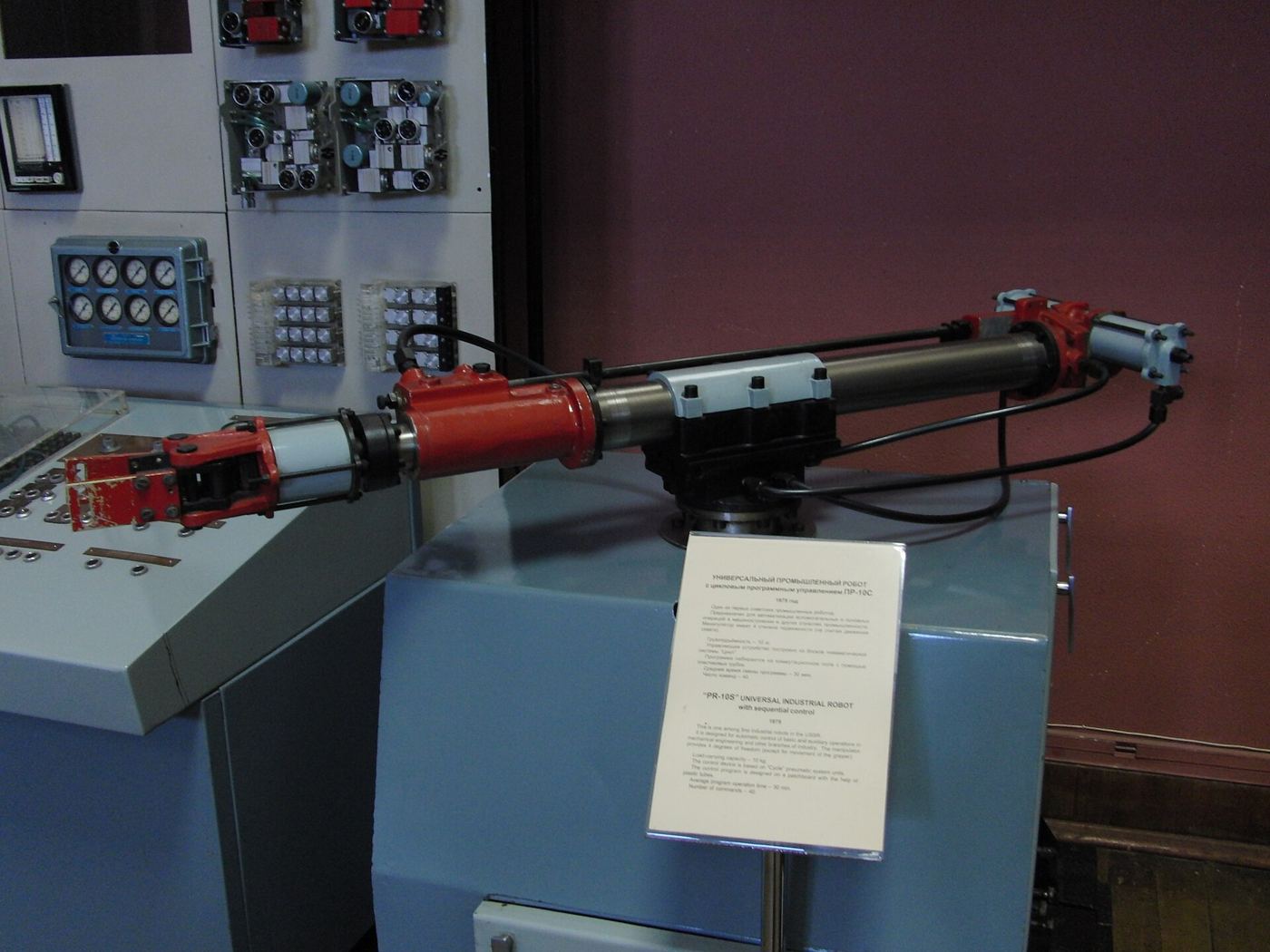
Bringing shelves to workers solved only half the warehouse problem, because someone still has to identify and grasp the right item from a jumble of different products inside. Vision systems paired with adaptive grippers are now being trained to pick soft packages, bottles, and oddly shaped goods without damaging them. Each failed grasp is logged, giving operators a clearer view of which product types still defeat automation across shifts that run through the night without pause.
What the Evidence Shows
Warehouse managers say the goal is rarely a fully empty floor, but a steadier flow in which robots handle repetitive travel and predictable picks while people resolve exceptions. Reliability matters more than peak speed, since a single stalled unit can block an aisle and cascade delays across an entire shift. Vendors are therefore judged on recovery behaviour, maintenance time, and integration with existing inventory software rather than demonstration videos during peak seasons, staff shortages, and promotional surges. Reporting and analysis from sources such as MIT Technology Review track the same developments, and specialists following robotic picking vision systems say the direction is now consistent across independent lines of evidence.
The Wider Context
The wider context is an industry learning to ship capability and restraint together. Products built around robotic picking vision systems now launch with safety evaluations, usage data and rollback plans as standard, because enterprise buyers and regulators ask for them in the first meeting. Companies that treated those questions as friction are discovering they have become the purchase criteria.
What Happens Next
What happens next for robotic picking vision systems depends less on another breakthrough than on the unglamorous work of reliability, pricing and support. The buyers evaluating it now are not enthusiasts; they are operators with budgets and auditors, and their checklists will decide the timeline. On the evidence of the current pilots, the technology has earned the right to be judged by them. You can follow related developments in our coverage of technology.
There is a practical lesson in all of this for readers deciding what to do today. Start with the verified facts, be wary of anyone promising certainty, and prefer reversible steps while the evidence is still developing. Circumstances differ by country, income and personal situation, so general guidance should always be weighed against your own context before you act on it in any significant or lasting way.
It is also worth remembering how quickly the picture in this area has changed before. Positions that looked settled a few years ago have been revised as new data arrived, and the same humility is appropriate now. The strongest coverage of this subject, and the most useful advice, tends to come from sources that update their views openly when the facts move, rather than defending an earlier position long after it has stopped fitting the evidence available.
