


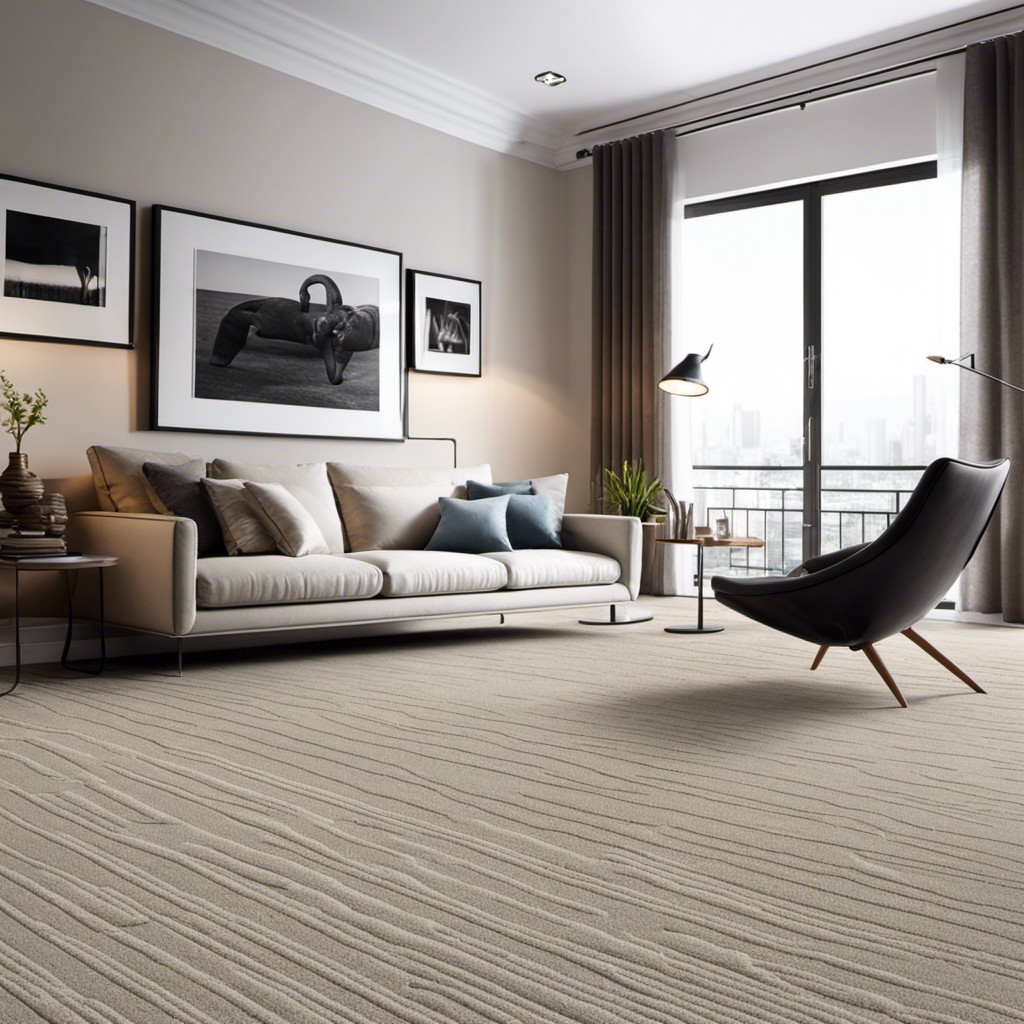
Modern interior design is often associated with simplicity, clean lines, and carefully selected furniture. While these characteristics can create an elegant appearance, a room may sometimes feel unfinished when all surfaces look similar. Texture is one of the most effective ways to introduce visual interest without making the interior overly complicated.
Why Texture Matters in Contemporary Interiors
Texture creates contrast between different materials and surfaces. A smooth wooden table, a fabric sofa, metal accessories, and textured flooring can work together to create a room that feels more sophisticated.
Interior designers often use texture to balance simplicity with comfort. Instead of adding numerous decorative objects, they introduce materials that provide subtle variation. This approach can help modern interiors feel warm rather than overly formal.
Flooring is an important part of this process because it occupies a large portion of the room. The texture of the carpet can influence how furniture and other materials appear.
Choosing Carpet Texture for Your Interior
Different carpet constructions offer different visual and physical characteristics. Cut-pile carpets often provide a soft, comfortable appearance, while loop-pile designs can create a more structured look. Some carpets combine different textures to produce subtle patterns and visual depth.
The selection should reflect the interior's overall style. Minimalist rooms may benefit from understated carpets with simple colors, while interiors featuring traditional furniture may work well with decorative patterns.
Exploring a Dubai carpet collection can provide inspiration for combining carpet texture with furniture, wall finishes, and decorative elements. The carpet does not necessarily need to match every item in the room, but its colors and materials should complement the overall design.
Use Flooring to Define Interior Zones
Modern homes frequently feature open-plan layouts that combine living, dining, and other areas. These spaces can sometimes feel less organized because there are no physical walls separating their functions.
Carpet can help define individual areas. For example, placing a carpet beneath the living room seating arrangement can create a visual boundary while keeping the entire space connected. This technique can make open-plan rooms easier to organize without reducing their openness.
Carpet dimensions should be appropriate for the furniture arrangement. A carpet that is too small may make the seating area appear disconnected, whereas an appropriately sized carpet can create a more cohesive appearance.
Combine Texture With Natural and Artificial Lighting
Lighting can significantly influence how textures appear. Natural sunlight may highlight the fibers and subtle variations in a carpet, while artificial lighting can change the appearance of its colors during the evening.
Before selecting flooring, homeowners should consider how the room is illuminated throughout the day. Comparing carpet samples under different lighting conditions can help prevent unexpected color differences after installation.
Create a Balanced Interior Without Excessive Decoration
Texture should be introduced thoughtfully. Too many competing materials can make a room feel busy, especially when furniture, curtains, wall decorations, and flooring all feature strong patterns.
People searching for carpet flooring near me can explore different materials and designs to identify a flooring option that adds comfort while supporting the interior's overall style.
Modern interiors do not need to feel cold or overly minimalistic. By combining texture, lighting, furniture, and flooring carefully, homeowners can create spaces that remain visually appealing while supporting everyday comfort.
