


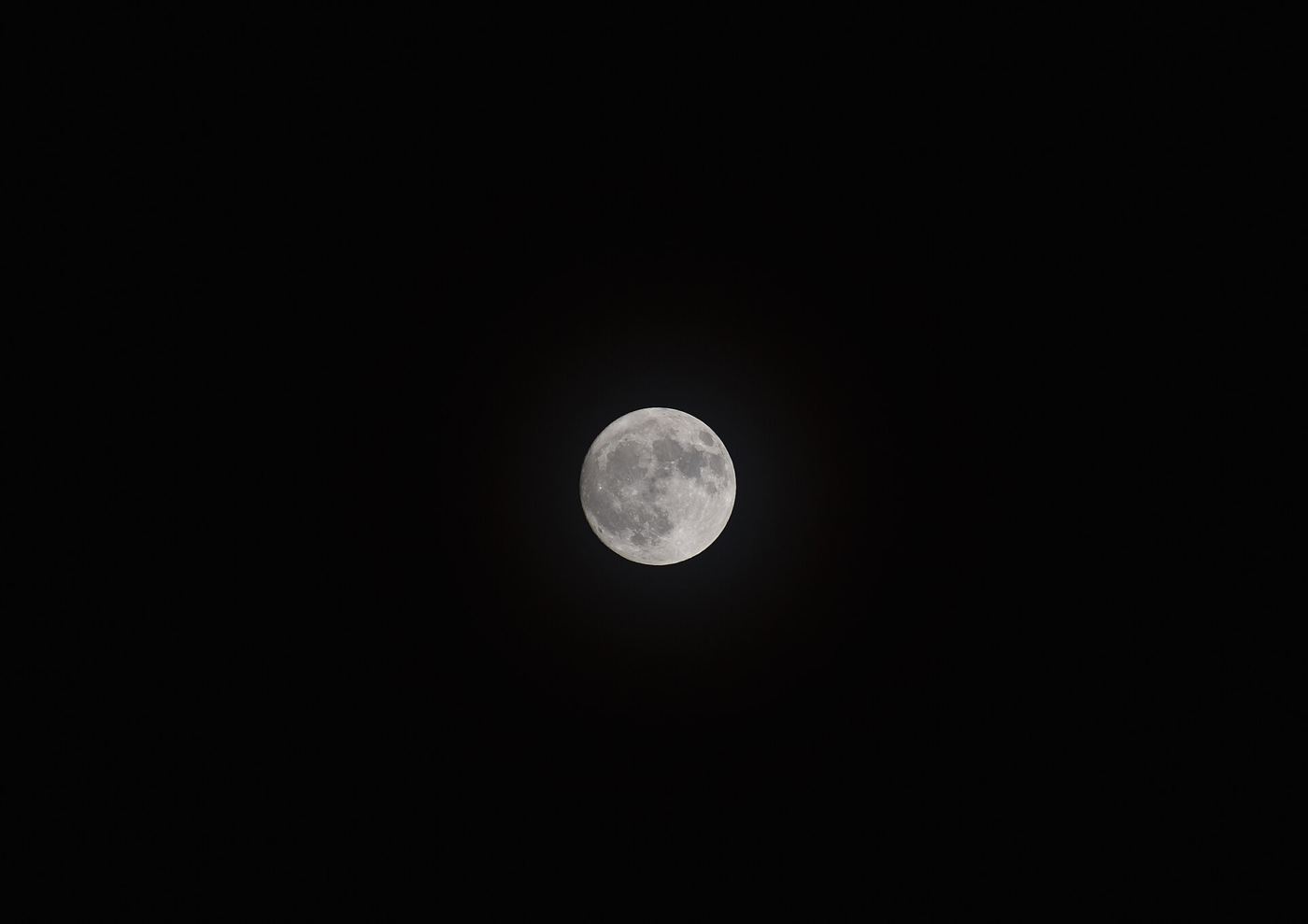
The full Beaver Moon reaches its peak at 9:54 a.m. Eastern on Tuesday, November 24, 2026, and it will appear full again on Tuesday night as it rises in the east shortly after sunset. November’s full moon is a supermoon, the first of three consecutive supermoons that will run through the end of the year, and at its closest point it sits 221,817 miles from Earth, the nearest supermoon of 2026. The moon will shine near Aldebaran, the brightest star of Taurus the Bull, and the Pleiades star cluster, also known as the Seven Sisters. Its name comes from the time of year when beavers prepare their lodges for winter and trappers once set their traps.
What the Evidence Shows
The moon’s closest approach to Earth, its perigee, comes about 30 hours after the full moon’s peak, at 21:00 UTC on November 25, when the moon is below the horizon for viewers in central North America. Astronomers say the difference in apparent size between a supermoon and an ordinary full moon is real but imperceptible to the naked eye, and the spectacle is best enjoyed by watching the moon rise above a clear eastern horizon at dusk. The run of supermoons continues into December, when the year’s final full moon, the Cold Moon, peaks on December 23 and will be the biggest and brightest supermoon of 2026. Skywatchers in both hemispheres can see it with the naked eye. Reporting and analysis from sources such as Nature track the same developments, and specialists following Beaver Supermoon November 24 2026 say the direction is now consistent across independent lines of evidence.
The Wider Context
The wider context is a research landscape in which replication and open data now decide reputations. Findings connected to Beaver Supermoon November 24 2026 are being checked by independent groups with shared datasets, and the teams involved publish their methods in full so rivals can test every step. That discipline is slower than a headline cycle, but it is why results in this area increasingly survive first contact with scrutiny.
What Happens Next
What happens next in the story of Beaver Supermoon November 24 2026 will be decided by follow-up work already under way: larger samples, longer observation and instruments that have not yet come online. The researchers involved are unusually united on one point, that the current results justify the next investment of time and money. Readers will not have to wait long for the first tests of that claim. You can follow related developments in our coverage of science.
None of this will be settled by a single announcement, study or product launch. The pattern to watch is accumulation: independent confirmations, honest reporting of failures and steady improvement in the underlying numbers. Readers who follow those signals, rather than the loudest claim of the week, will understand this subject better than most of the commentary surrounding it suggests is possible.
