


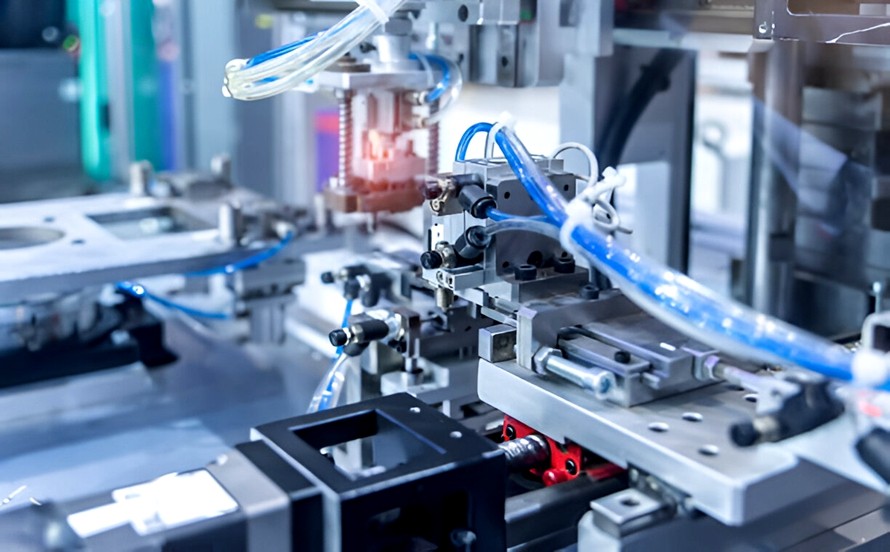
Modern electronic products depend on printed circuit boards (PCBs) to connect and control a wide range of components. Among these components, integrated circuits (ICs) play an important role in processing information, storing data, controlling functions, and managing communication between different parts of an electronic system. However, many ICs require specific firmware or configuration data before they can perform their intended functions. This is where PCB IC programming becomes an important part of electronics manufacturing.
Programming an IC on or for a PCB involves transferring firmware, software, configuration data, or other instructions into a programmable device. Depending on the product design, programming may be completed before the IC is assembled onto the PCB or after the component has been mounted. The appropriate approach depends on the type of IC, PCB design, production volume, and manufacturing requirements.
What Is PCB IC Programming?
PCB IC programming refers to the process of loading required firmware or configuration data into an integrated circuit associated with a printed circuit board. The programmed IC then performs specific operations defined by the software stored within its memory.
Programmable components commonly found on PCBs include microcontrollers, memory devices, programmable logic devices, and system-on-chip components. Each type of device may require a specific programming interface, software tool, and programming procedure.
For example, a PCB used in an industrial controller may contain a microcontroller responsible for receiving sensor inputs and controlling motors. The microcontroller needs appropriate firmware to execute these functions. Without the required program, the assembled PCB may not operate as intended.
PCB-based programming is therefore closely connected with the overall electronics manufacturing process. It can be treated as a separate production operation or integrated into PCB assembly and functional testing.
Why Is IC Programming Important in PCB Manufacturing?
IC programming allows manufacturers to configure electronic products according to specific functional requirements. Instead of designing separate hardware for every variation of a product, manufacturers can often use the same or similar PCB design and change the firmware to support different functions.
Another advantage is flexibility during production. Firmware can be updated when a software issue is discovered or when a product requires new functionality. This makes programmable ICs useful for products that may undergo several design or software revisions during their lifecycle.
Programming is also important for ensuring that an assembled PCB is ready for its intended application. A board may contain all the correct components and still fail to operate if the required firmware has not been loaded correctly. For this reason, programming and verification are often included as part of the PCB manufacturing workflow.
Common ICs Programmed on PCBs
Several types of integrated circuits can require programming during PCB production. Microcontrollers are among the most common. They are used in embedded systems across consumer electronics, industrial equipment, automotive products, appliances, and control systems.
Memory ICs such as EEPROM and flash devices can also be programmed with configuration data, firmware, calibration information, or other product-specific data. These devices are designed to retain stored information even when the PCB is powered off.
Programmable logic devices and field-programmable gate arrays can be configured to perform specific logic operations. Their programming process can involve loading complex configuration files that define how the device performs its intended functions.
System-on-chip devices may also require firmware and configuration settings. Because these components integrate multiple functions into one package, their programming requirements can be more extensive than those of simpler programmable devices.
How Does PCB IC Programming Work?
The programming process generally starts with preparing the correct firmware or data file. Developers create and compile the required software and generate a programming file compatible with the target IC. The file must match the device type, memory architecture, and required configuration.
The next step is selecting an appropriate programming interface. Depending on the device, interfaces such as JTAG, SPI, I²C, UART, or a dedicated programming connection may be used. The programming interface allows the programming equipment to communicate with the IC.
The programming hardware is then connected to the target device. If programming takes place before assembly, the IC may be placed in a specialized programming socket. If the component is already mounted on the PCB, programming can be performed through a connector, test point, or dedicated interface incorporated into the board design.
Once communication is established, the firmware or configuration data is transferred into the IC. The programming software typically monitors the process and reports errors if communication, memory, or configuration problems occur.
After programming, verification is normally performed. The programming equipment can read the stored data and compare it with the original file. This helps confirm that the intended firmware has been written correctly.
Programming Before and After PCB Assembly
There are two common approaches to programming ICs during electronics manufacturing: programming before assembly and programming after assembly.
Pre-programming involves loading firmware into the IC before it is placed on the PCB. This method can be useful when manufacturers need components to arrive at the assembly stage already configured. It can also be suitable when programming individual components separately is faster or more convenient.
In-system programming takes place after the IC has been mounted on the PCB. The board is connected to programming equipment through an accessible interface. This approach can provide greater flexibility because firmware can be loaded or updated after assembly.
In-system programming may also support product customization. For example, different firmware versions can be loaded onto the same PCB design according to product configuration or customer requirements.
The choice between these methods depends on factors such as production volume, component accessibility, PCB design, programming time, testing requirements, and firmware management.
Benefits of Programming ICs During PCB Production
Integrating IC programming into the PCB manufacturing process can provide several benefits. One major benefit is improved production consistency. Automated programming equipment can load the same verified firmware onto multiple boards, reducing the possibility of manual programming errors.
It can also improve manufacturing efficiency. When programming equipment is integrated with assembly or testing processes, manufacturers can reduce unnecessary handling and streamline production operations.
Another benefit is easier firmware management. Manufacturers can maintain controlled versions of programming files and ensure that the correct software is loaded onto each production batch.
Programming can also be combined with functional testing. After an IC has been programmed, the PCB can be powered and tested to confirm that the firmware and hardware work together correctly. This approach can help identify programming, component, assembly, or hardware-related issues before the finished product reaches the customer.
Challenges in PCB IC Programming
Although the process is widely used, programming ICs on PCBs requires careful planning. Incorrect firmware, incompatible programming tools, or unsuitable device settings can cause failures.
Physical access to the programming interface is another consideration. If an IC needs to be programmed after assembly, the PCB must provide a suitable connection point. Poorly designed access points can make production programming slower or more difficult.
High-volume production introduces additional challenges. Manufacturers may need to program a large number of boards within a limited time while maintaining consistent firmware versions and verification standards. Automated programming systems can help address these requirements.
Security should also be considered. Some electronic products contain proprietary firmware or sensitive configuration data. Appropriate access controls and secure programming practices can help reduce the risk of unauthorized copying or modification.
Applications of PCB IC Programming
IC programming is used across a broad range of electronic products. Consumer electronics may use programmed microcontrollers to manage displays, buttons, sensors, wireless communication, and other functions.
Automotive electronics rely on programmable devices for control systems, infotainment, lighting, monitoring, and communication. Industrial PCBs can use programmed controllers to operate machinery, sensors, motors, and automation equipment.
Medical devices, telecommunications equipment, networking products, smart appliances, and IoT devices also commonly rely on programmable ICs. As electronic products become more software-driven, the importance of reliable programming during PCB manufacturing continues to increase.
Conclusion
PCB IC programming connects hardware manufacturing with the firmware that controls electronic products. From preparing programming files and selecting interfaces to transferring data and verifying results, each stage needs to be carefully managed to ensure reliable operation. Manufacturers can select pre-programming or in-system programming depending on their PCB design, production volume, testing requirements, and product specifications. For companies looking to integrate programming, verification, and production requirements efficiently, an experienced IC programming solution can help support consistent firmware loading and reliable PCB manufacturing.
