


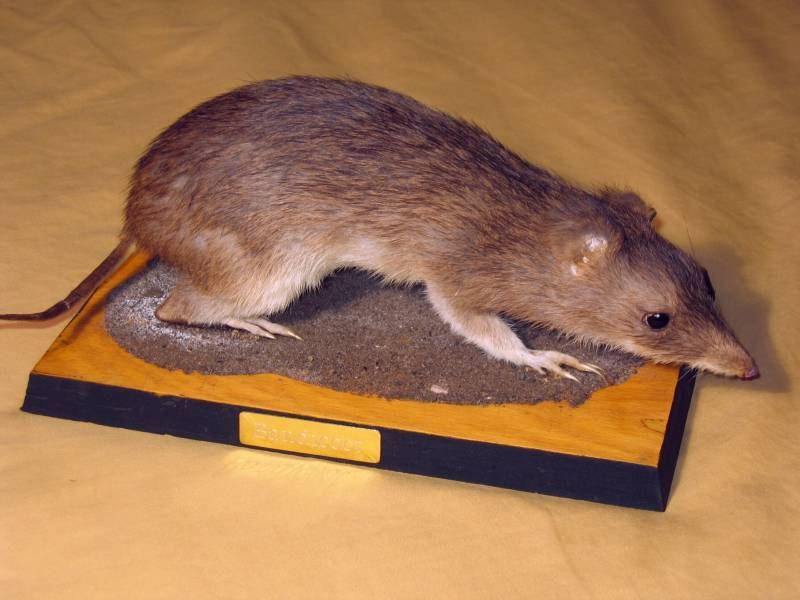
Two previously unrecognised bandicoot species have been uncovered after a ten-year investigation of museum specimens from collections around the world. The study, published in the Australian Journal of Taxonomy in 2026, examined hundreds of historical and modern specimens of short-nosed bandicoots in the genus Isoodon. Among the findings was the little brown bandicoot, Isoodon microtis, a newly described species from South Australia. The New Guinea brown bandicoot, Isoodon moresbyensis, was also recognised as a species in its own right, having previously been regarded as a subspecies. The work was led by Kenny Travouillon of the Western Australian Museum and reshaped understanding of one of Australia’s native mammal groups. Bandicoots are rabbit-sized marsupials found in Australia and New Guinea.
What the Evidence Shows
The revision also expanded the known range of the quenda, or southeastern brown bandicoot, and found that South Australia was once home to three species rather than one. The researchers described several new subspecies as well, including two of the golden bandicoot, four of the quenda and one of the northern brown bandicoot from Cape York in Queensland. Museum drawers proved essential, because the animals’ differences are subtle and only emerge when many specimens are compared side by side. With the short-nosed bandicoots now reassessed, the team is turning to the next phase of the project, the long-nosed bandicoots of the genus Perameles. The findings show how much taxonomy still hides in plain sight in museum collections. Reporting and analysis from sources such as National Science Foundation track the same developments, and specialists following the two new bandicoot species say the direction is now consistent across independent lines of evidence.
The Wider Context
The wider context is a research landscape in which replication and open data now decide reputations. Findings connected to the two new bandicoot species are being checked by independent groups with shared datasets, and the teams involved publish their methods in full so rivals can test every step. That discipline is slower than a headline cycle, but it is why results in this area increasingly survive first contact with scrutiny.
What Happens Next
What happens next in the story of the two new bandicoot species will be decided by follow-up work already under way: larger samples, longer observation and instruments that have not yet come online. The researchers involved are unusually united on one point, that the current results justify the next investment of time and money. Readers will not have to wait long for the first tests of that claim. You can follow related developments in our coverage of science.
There is a practical lesson in all of this for readers deciding what to do today. Start with the verified facts, be wary of anyone promising certainty, and prefer reversible steps while the evidence is still developing. Circumstances differ by country, income and personal situation, so general guidance should always be weighed against your own context before you act on it in any significant or lasting way.
