


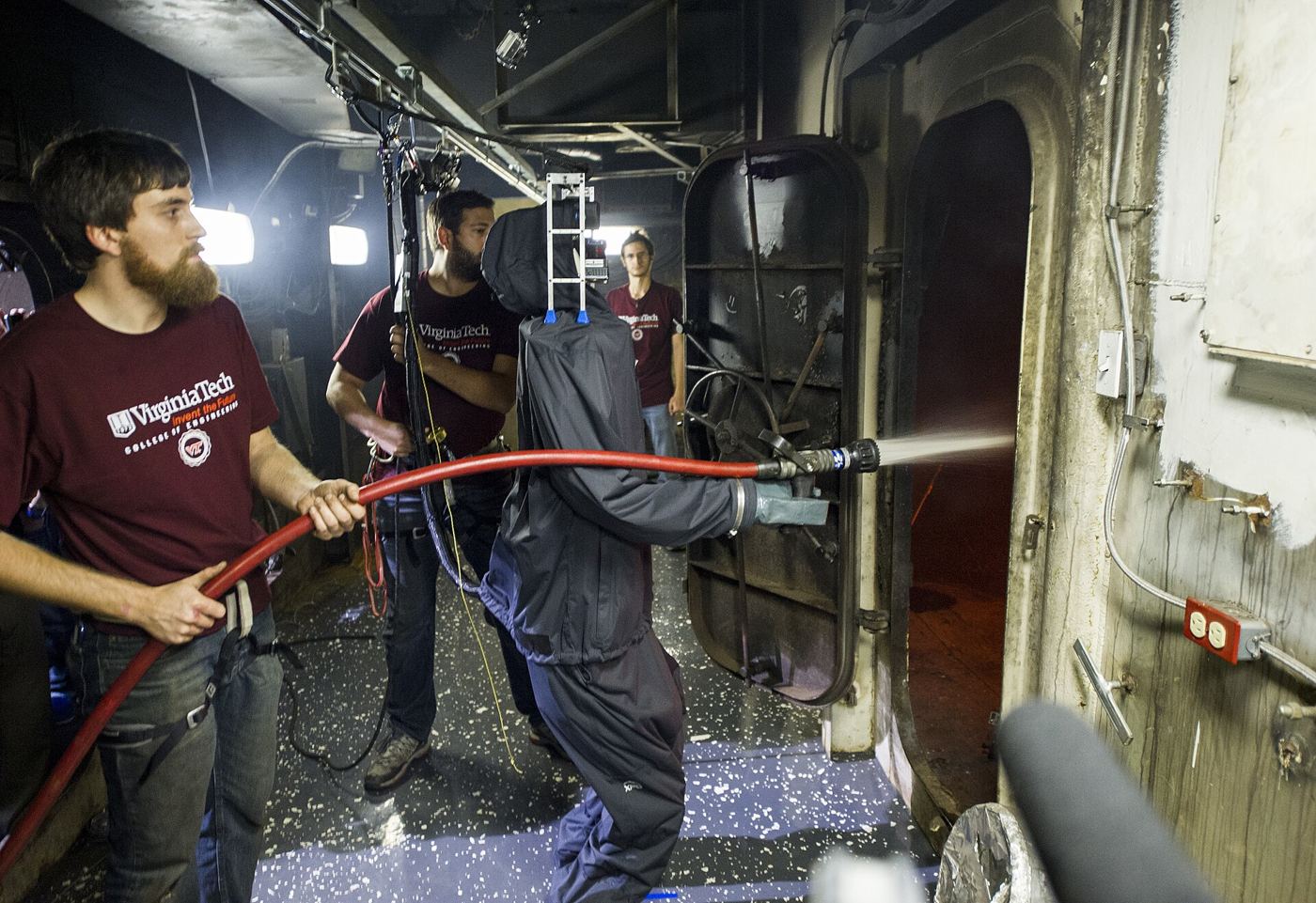
Humanoid robots are being put through demanding real world tests in research laboratories, moving beyond polished demonstrations to messier, everyday tasks. Engineers set them to open doors, carry boxes, sort objects, and recover their balance when floors are uneven or items shift unexpectedly. The goal is not a robot that looks human for its own sake, but machines that can work in spaces designed for people, using the same stairs, shelves, and tools. Progress is uneven, and tasks that look simple often expose weaknesses in perception, grip, and decision making that controlled showcases tend to hide. Independent reviewers increasingly attend these sessions, providing a useful check on company claims and a clearer public picture of what the technology can and cannot do today.
What the Evidence Shows
Testing teams record every failure carefully, treating dropped objects and wrong turns as data that improve the next version of the software or hardware. Safety is a constant focus, with robots programmed to slow or stop when people approach unexpectedly. Researchers debate how soon such machines belong outside laboratories, noting that cost, battery life, and reliability still limit wider use. Factories and warehouses with structured layouts are likely early settings, long before homes. Even so, each testing season shows steadier walking, more capable hands, and better responses to spoken instructions, suggesting steady rather than sudden change. For now, most experts counsel patience, describing humanoid robots as a long term research direction whose most useful near term contributions may be components and software adopted by simpler machines. Reporting and analysis from sources such as MIT Technology Review track the same developments, and specialists following humanoid robots in laboratory testing say the direction is now consistent across independent lines of evidence.
The Wider Context
The wider context is an industry learning to ship capability and restraint together. Products built around humanoid robots in laboratory testing now launch with safety evaluations, usage data and rollback plans as standard, because enterprise buyers and regulators ask for them in the first meeting. Companies that treated those questions as friction are discovering they have become the purchase criteria.
What Happens Next
What happens next for humanoid robots in laboratory testing depends less on another breakthrough than on the unglamorous work of reliability, pricing and support. The buyers evaluating it now are not enthusiasts; they are operators with budgets and auditors, and their checklists will decide the timeline. On the evidence of the current pilots, the technology has earned the right to be judged by them. You can follow related developments in our coverage of technology.
There is a practical lesson in all of this for readers deciding what to do today. Start with the verified facts, be wary of anyone promising certainty, and prefer reversible steps while the evidence is still developing. Circumstances differ by country, income and personal situation, so general guidance should always be weighed against your own context before you act on it in any significant or lasting way.
