


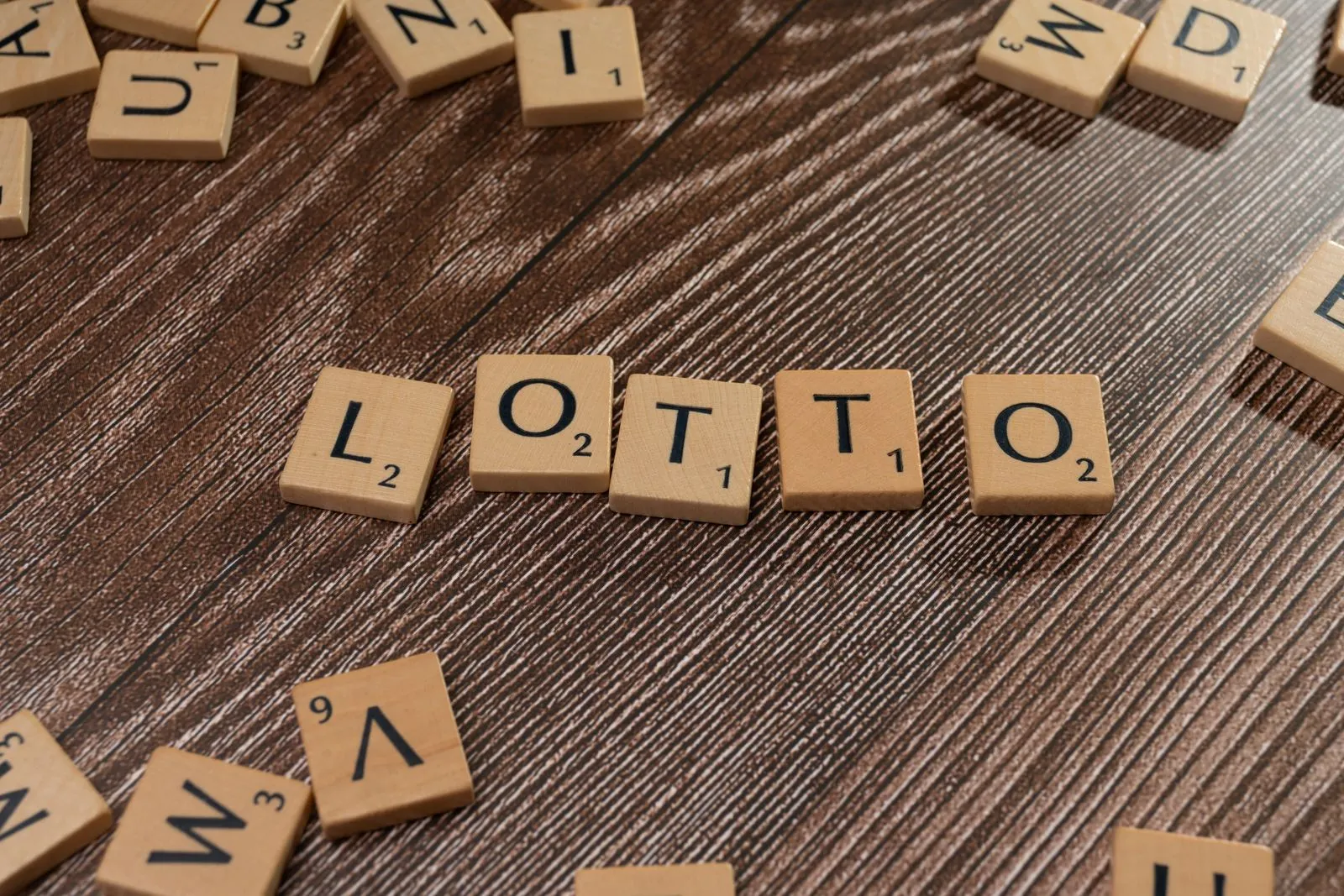
Another week, another life-changing number. Powerball’s jackpot climbed to $562 million for the Wednesday, October 14, 2026 drawing, and the run continued into the next scheduled drawing on Saturday, October 17. Behind the headline figure sits a simple machine of rollovers, ticket sales and very long odds.
The Rollover Machine
Powerball drawings are held every Monday, Wednesday and Saturday. When nobody matches all six numbers, the jackpot rolls: un-won prize money, topped up by a portion of fresh ticket sales across the 45 participating states and other jurisdictions, is added to the next draw. Long runs without a winner are what turn a routine jackpot into a nine-figure event, and rising sales during big runs accelerate the growth.
The headline number is the annuity prize, paid over 29 years in 30 payments that rise by 5 percent annually. The alternative cash option, the actual pool available for a lump sum, is lower, and both options are taxed. Current jackpot figures and past results are listed at Powerball.com.
Odds Without the Hype
A single ticket has a 1 in 292.2 million chance of winning the jackpot. Buying more tickets improves the odds only marginally: even 100 tickets leave the chance at roughly 1 in 2.9 million. The overall chance of winning something is about 1 in 24.9, though most of those wins are the smallest $4 prize.
Statisticians often note that the expected value of a ticket only approaches its $2 price in the very largest jackpots, and even then taxes and the risk of splitting the prize with another winner pull it back down. The honest framing is that a ticket buys a few days of daydreaming, not a financial plan.
A Sane Checklist for Winners
For the vanishingly rare winner, official advice is consistent: sign the ticket, photograph it, store it safely, and say nothing publicly until you have taken advice. Claim periods differ by state, and a handful of states allow winners to remain anonymous. Tax, legal and investment advice should come before any spending decisions.
Why Pools Feel Smarter Than They Are
Office pools are a fixture of jackpot weeks, and they do change one thing: a group holding 50 tickets has 50 times the chance of a single ticket. But 50 times almost-nothing remains almost-nothing, about 1 in 5.8 million for the jackpot, and pools introduce their own risks when agreements about sharing are informal. Lotteries themselves advise pool members to put arrangements in writing.
There is also the matter of number selection. Combinations like birthdays cluster below 32, which does not change the chance of winning but does raise the chance of sharing a prize with strangers who picked the same sentimental numbers. Random quick-pick selections spread that risk more evenly, even if they feel less personal.
It is also worth remembering what a jackpot week does for the lotteries themselves. Proceeds from Powerball sales are distributed according to each state’s rules, funding programmes that range from scholarships to environmental projects. Critics note that lottery spending falls disproportionately on lower-income households, which is precisely why the responsible-play message matters and why this explainer leads with the odds rather than the dream. Both things are true at once: the game funds public goods, and the individual ticket is a poor financial bet.
One final number puts the week in proportion. At 1 in 292.2 million, the jackpot odds mean a single ticket is roughly as likely to win as a fair coin is to land heads 28 times in a row. That comparison does not spoil the fun of a draw; it simply returns the ticket to its proper category, alongside cinema tickets and raffle entries, as paid entertainment with a story attached.
Our newsroom covers the numbers behind everyday life in the same spirit; see our report on how the US Measles Total Reaches 4,410 After 8 Percent Weekly Increase. Jackpot weeks are fun precisely because they are fantasy. Keeping them that way, by spending little and expecting nothing, is the only strategy the maths supports.
