


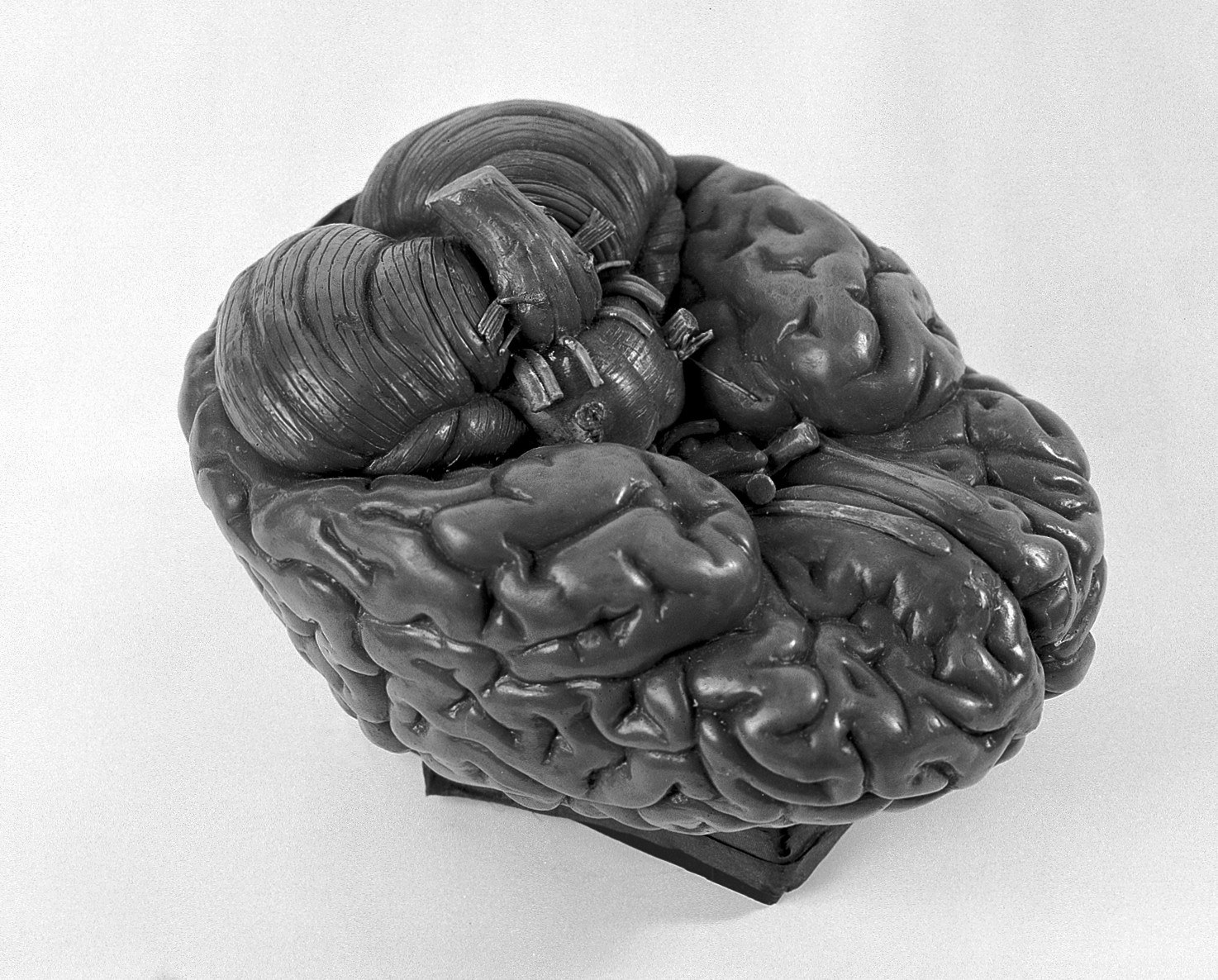
It runs your body on the energy of a dim light bulb, outcomputes every machine on Earth at conversation and intuition — and then, with dismaying reliability, it breaks. A prominent line of scientific argument now holds that the human brain’s failures are not random malfunctions but the predictable cost of its design: the evolutionary choices that produced our unmatched cognition also produced an organ exquisitely vulnerable to mental illness, degeneration and age.
Expensive Tissue, Tight Budget
The brain consumes roughly a fifth of resting energy despite being a fiftieth of body mass. Its neurons, once formed, must last a lifetime without the replacement that other tissues enjoy, all while managing electrical activity that would corrode lesser cells. Evolution funded this extravagance by borrowing against other priorities — gut size, muscle mass, reproductive timing — and by accepting maintenance systems adequate for a forty-year design life, not the eighty-plus years modern humans routinely demand of them. Work reviewed in journals such as Science increasingly treats Alzheimer’s and related diseases as what happens when a short warranty meets a long life. Our health coverage follows the research translating that insight into therapies.
Slow to Build, Easy to Derail
Human brains take a quarter-century to finish construction. The prolonged development that allows culture and learning to sculpt cognition also stretches the period during which genetic variation and environmental insult can divert the build — the developmental window in which schizophrenia, autism and bipolar disorder take root. Initiatives like the NIH BRAIN Initiative are mapping these circuits in the hope that early divergence can one day be detected and corrected rather than merely managed.
Mismatch: An Ancient Brain in a Novel World
Layered on top is mismatch. The brain’s reward systems evolved for scarcity and now face engineered abundance; its social cognition evolved for villages and now processes thousands of strangers daily; its sleep architecture evolved for darkness and now negotiates with floodlit screens. Much of the modern burden of anxiety, addiction and metabolic disease reads, through this lens, as a superb instrument played in the wrong hall.
From Fatalism to Engineering
The Brain-Health Playbook the Research Supports
Evolutionary framing does not leave individuals helpless — it clarifies where effort pays. The interventions with the strongest evidence map precisely onto the design’s weak points: aerobic exercise to support the energy-hungry cortex; sleep that lets protein-clearance systems do their night shift; blood-pressure and hearing management to protect the organ’s supply lines; and sustained social and cognitive engagement to maintain the networks that ageing erodes. Trials of combined lifestyle programmes show measurable cognitive protection, which is what you would predict if decline is partly a maintenance backlog rather than a countdown.
Researchers are careful to add that no smoothie defeats genetics, and diseases like Alzheimer’s will need pharmacology as well as lifestyle. But the evolutionary lens converts a frightening mystery into an engineering brief — and engineering briefs, unlike mysteries, can be worked through. The brain was built for a shorter, harder life. Helping it thrive in a longer, softer one is the defining health project of the century it accidentally made possible.
None of this should obscure the marvel at the centre of the story. The organ that ponders its own design flaws is performing the trick no other organ attempts: self-diagnosis across deep time. That the brain can identify its own trade-offs — and organise a global research enterprise around compensating for them — is itself the strongest evidence that the design, for all its compromises, was very good indeed. Built to fail, perhaps. But also, uniquely, built to notice.
The trade-off framing is ultimately optimistic. If failures concentrate where design is stretched — protein clearance, energy supply, late-maturing circuits — then those are the addresses for intervention: drugs that support cellular housekeeping, metabolic therapies, prevention aimed at critical developmental windows. The brain was never built to last a century. The project of modern neuroscience is to retrofit it for the century it now has to serve. Explore more on our homepage.
