


Fifteen years after the Deepwater Horizon disaster, the Gulf of Mexico is delivering a verdict that restoration press releases have long deferred: marine life across the region is still declining. A new study drawing on long-term survey data finds dramatic population falls in the years following the BP oil spill, contradicting the assumption that the ecosystem quietly healed once the oil disappeared from the surface. For readers of flymenews.com, it is a story about how long industrial damage really lasts.
A Recovery That Never Arrived
The Deepwater Horizon disaster of 2010 released millions of barrels of crude oil into the Gulf of Mexico over 87 days, in the largest marine oil spill in history. Beaches were scrubbed, fisheries eventually reopened and a settlement worth tens of billions funded restoration across five states. The public story arc suggested an ecosystem wounded but healing. The new study complicates that arc considerably, finding that populations of many tracked species kept declining in the years after the spill rather than rebounding.
Long-term monitoring is what makes the finding hard to dismiss. Short surveys after a disaster capture the acute damage: oiled birds, dead dolphins, closed fishing grounds. A multi-year dataset captures something subtler and arguably more important, the failure of populations to recover on the schedule that restoration plans assumed. When decline persists across species and regions, scientists start looking for food-web explanations rather than isolated local causes.
What It Means for Restoration Money
The Deepwater Horizon settlement committed unprecedented sums to Gulf restoration, with projects running for years and success typically measured in acres restored, reefs built or water quality improved. Population-level declines pose an awkward question for that framework: if the endpoint that matters, living communities, is still moving the wrong way, then project-by-project accounting may be missing the system’s overall direction.
Scientists involved in Gulf monitoring argue for exactly the kind of sustained, standardised surveying that produced this study, maintained for decades rather than funding cycles. Without it, managers cannot tell whether restoration is bending the curve or merely landscaping the decline. The finding is, in that sense, an argument for patience and measurement in a political culture that prefers ribbon cuttings and quick declarations of recovery.
Reading the Wider Picture
Local knowledge anticipated parts of this picture. Gulf fishers and shrimpers have reported changed catches, shifted seasons and grounds that never produced as they once did, testimony that was easy for distant audiences to file as anecdote while official updates emphasised acres restored and projects completed. Population science and fisher experience pointing the same way does not settle every causal question, but it should end the habit of treating working communities’ observations as background noise in the Gulf’s recovery story. Readers can follow continuing coverage on flymenews.com as this story develops.
How a Spill Keeps Working After the Oil Is Gone
Oil does not need to be visible to keep doing harm. Toxic compounds can persist in sediments, work through invertebrate communities and suppress reproduction in fish for generations. If the small organisms at the base of the food web are diminished, scarcity propagates upward: forage fish thin out, predators travel further and breed less successfully, and each stress makes the next one harder to survive. Researchers describe this as a legacy effect, and it is notoriously difficult to attribute to any single mechanism.
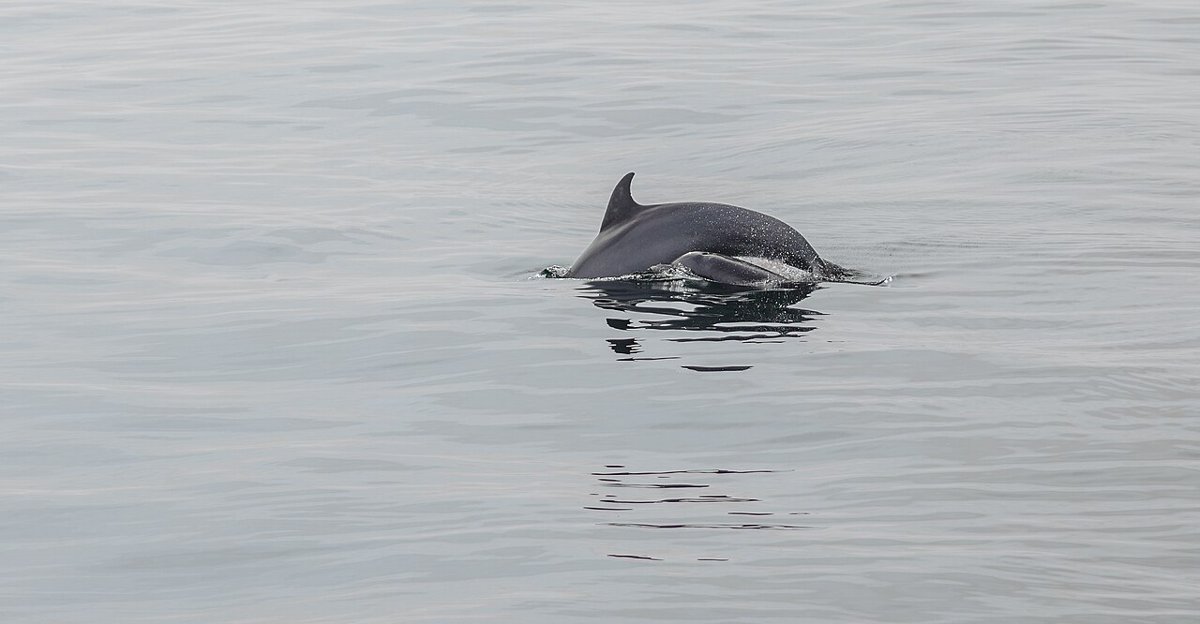
Agencies such as NOAA, which leads federal restoration work, have documented parallel concerns in specific populations, most famously bottlenose dolphins in heavily oiled bays, where reproductive failure and lung disease remained elevated for years. The new study’s contribution is breadth: it suggests the pattern is not confined to the worst-hit pockets but shows up across the wider Gulf system.
Confounders the Scientists Cannot Ignore
Honest attribution in the Gulf is genuinely hard, because the spill did not happen to a pristine sea. The northern Gulf receives enormous nutrient loads from the Mississippi River, feeding a seasonal hypoxic dead zone. Waters are warming, industrial fishing pressure is intense and coastal wetlands that shelter juvenile fish and shrimp have been eroding for decades. Any decline measured after 2010 sits inside that thicket of overlapping pressures.
The researchers’ task is therefore comparative: do trends in oiled regions diverge from similar unoiled ones, do they track exposure gradients, and do they match what toxicology predicts? Work synthesised after the spill, including research summarised in major scientific reviews of the disaster, has repeatedly found that oil exposure left measurable fingerprints on hearts, reproduction and survival across species. The new findings extend that record from injury to trajectory: not just that animals were harmed, but that populations have not climbed back.
Lessons for the Next Spill
Every major spill resets the same debate: how long does responsibility last, and who decides when an ecosystem is whole again? The Gulf evidence increasingly says that the honest timescale is decades, that some fraction of the damage expresses itself slowly through food webs, and that early reassurance is cheap precisely because the expensive evidence takes years to gather.
For coastal communities whose economies run on shrimp, oysters, tourism and sport fishing, that timescale is not academic. It shapes compensation, monitoring budgets and the credibility of every future promise made after a disaster. The study’s sober message is that the Gulf’s story is still being written underwater, and that anyone declaring it finished should be asked to show the population data first.
The Gulf has absorbed hurricanes, dead zones and a century of industrial pressure, and it remains one of the most productive seas on earth. The study’s warning is not that the Gulf is finished, but that its resilience has been spent faster than it has been repaid, and the bill is still arriving.
